
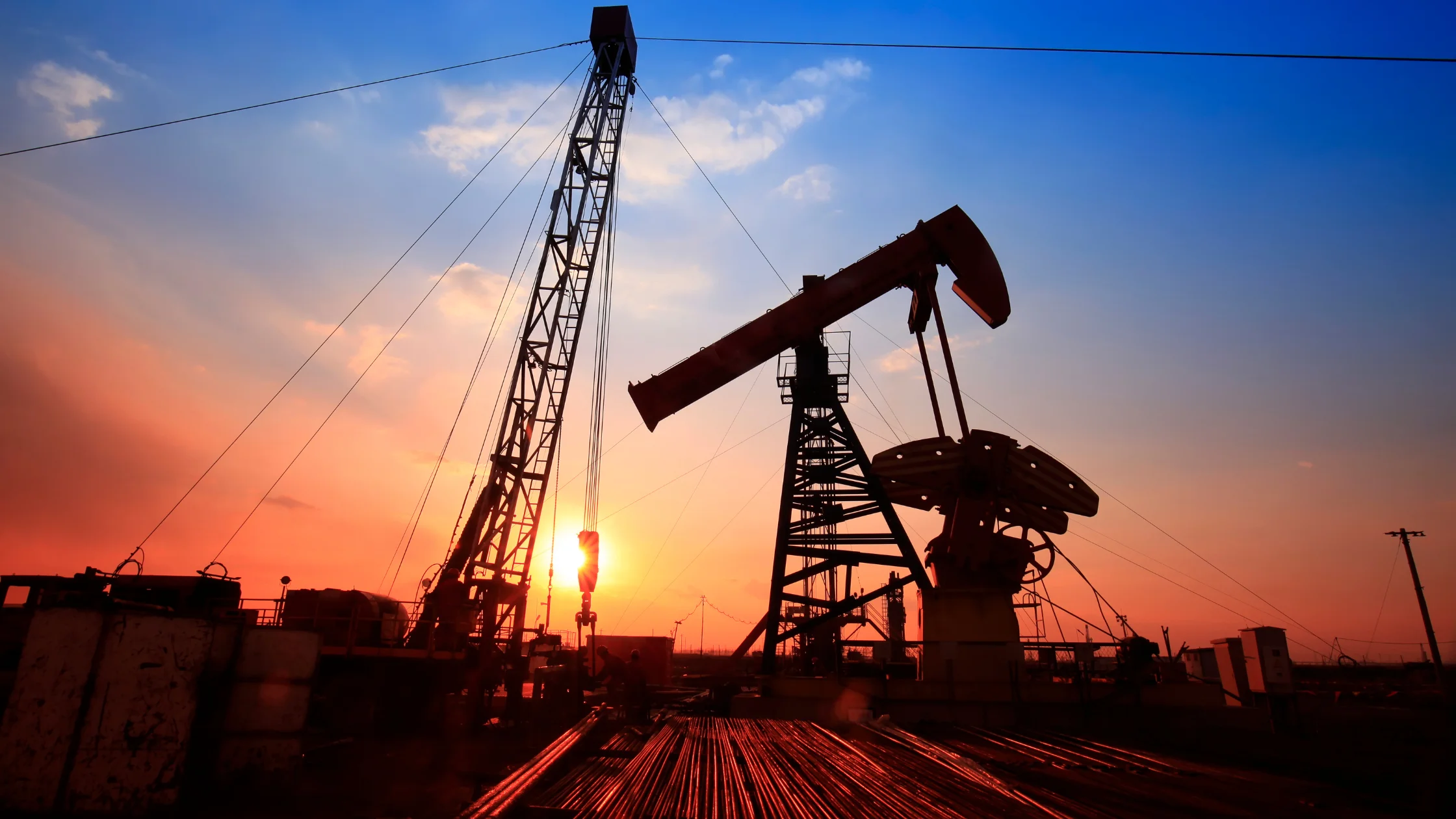
Pakistan has taken a powerful step toward energy independence with the activation of its first horizontal oil well, Pasakhi-13, near Hyderabad. This development is not just a technical upgrade; it represents a shift in how the country approaches its long-standing energy challenges. For years, Pakistan has relied heavily on imported petroleum, which has placed a huge burden on the economy. Now, with this innovative drilling method, the country is finally tapping into its own resources more efficiently. The well produces around 460 barrels of oil per day, which may sound modest, but it is a significant achievement considering the advanced techniques used. By drilling to a depth of 2,966 meters and extending horizontally for 546 meters, engineers have unlocked more oil from a single location. This means higher output with fewer wells, saving both time and money.
What makes this project even more impressive is the use of modern technologies like geo-steering and Electric Submersible Pumps (ESP). These tools allow precise drilling and improved oil flow, making the well nearly three times more productive than traditional vertical wells. It’s like upgrading from a basic tool to a smart machine that knows exactly where to work. Experts believe this success could open doors to more discoveries and better production across the country. As local oil output increases, Pakistan can reduce its dependence on imported fuel, stabilize its economy, and move toward self-sufficiency. This milestone is not just about oil; it’s about progress, innovation, and a brighter, more secure future for the nation.