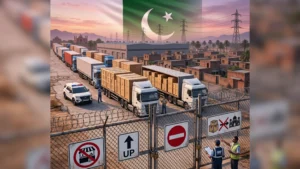

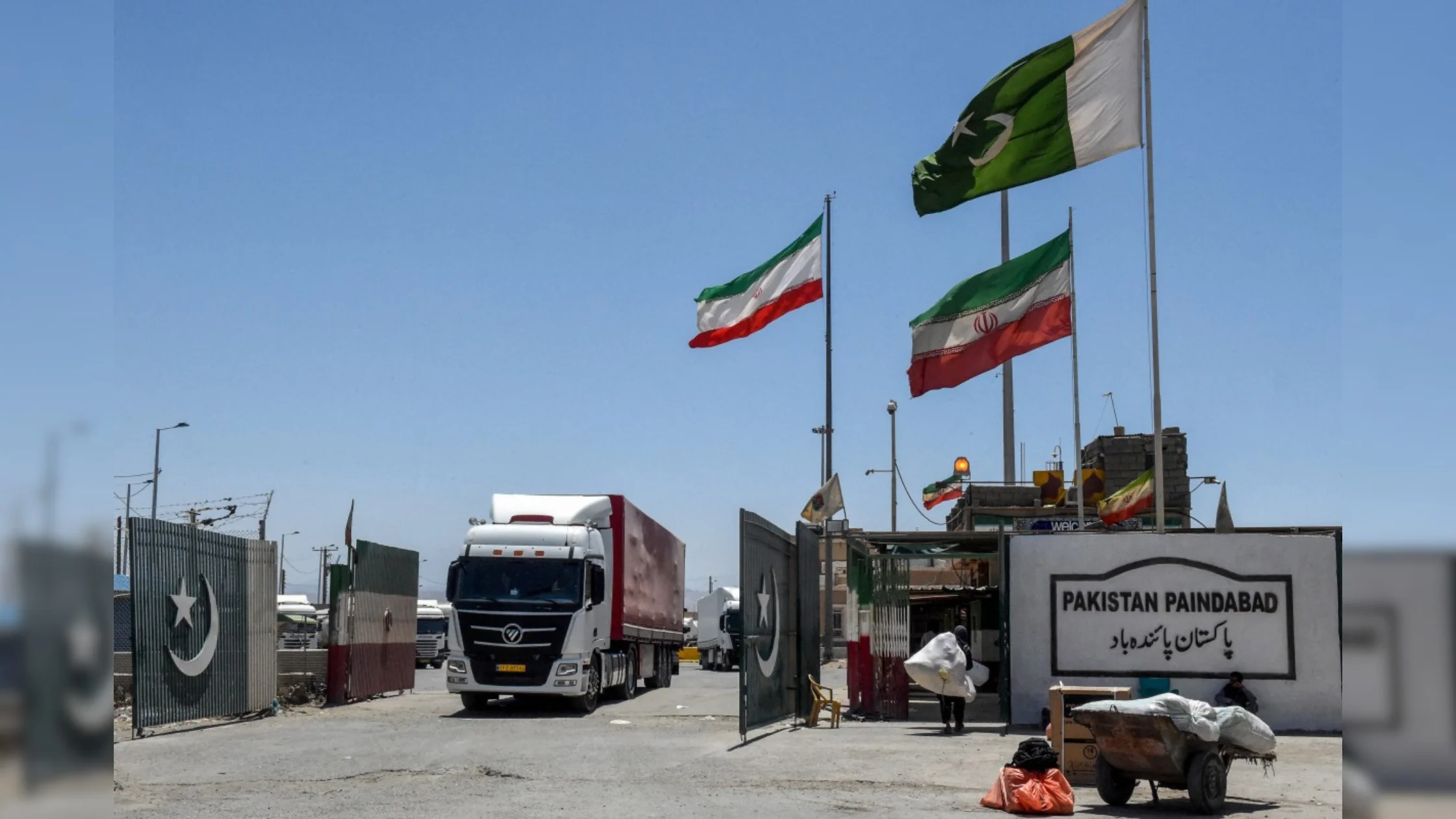
The Government of Pakistan has introduced a temporary policy relaxation to support exporters facing disruptions along the Afghanistan trade corridor. This decision allows businesses to use an alternative land route through Iran, ensuring continuity in trade activities during a period of regional uncertainty. The move comes after exporters experienced serious challenges due to border closures and logistical hurdles with Afghanistan, which significantly reduced export volumes and created financial complications.
Under this new arrangement, the government has eased certain financial compliance requirements outlined in the Export Policy Order 2022. This step is aimed at simplifying the export process and removing barriers that were previously slowing down trade. The relaxation will remain in effect from March 24 to June 21, 2026, providing a temporary but crucial window for exporters to stabilize operations. By reducing regulatory pressure, authorities are giving businesses the flexibility needed to continue exporting goods without facing excessive banking or documentation issues.
Iran Embassy in Pakistan Issues Warning Against Fake News and Misleading Narratives
The policy allows the export of a wide range of products, including rice, seafood, meat, fruits, and pharmaceutical items, which are key contributors to Pakistan’s export economy. These goods can now be transported more efficiently through Iran, opening access not only to Iranian markets but also to Central Asian countries and Azerbaijan. This strategic shift is expected to revive trade flows and create new opportunities for exporters who were previously struggling due to limited access routes.
This initiative reflects the government’s proactive approach in addressing real-time trade challenges. By opening an alternative route, Pakistan aims to restore export momentum, strengthen regional connectivity, and support businesses during a critical period. The move also highlights the importance of diversification in trade routes, ensuring that the country is not overly dependent on a single corridor.
Overall, this temporary relaxation is seen as a timely and practical solution to maintain economic stability, protect export-driven industries, and reinforce Pakistan’s position in regional trade networks despite ongoing disruptions.