
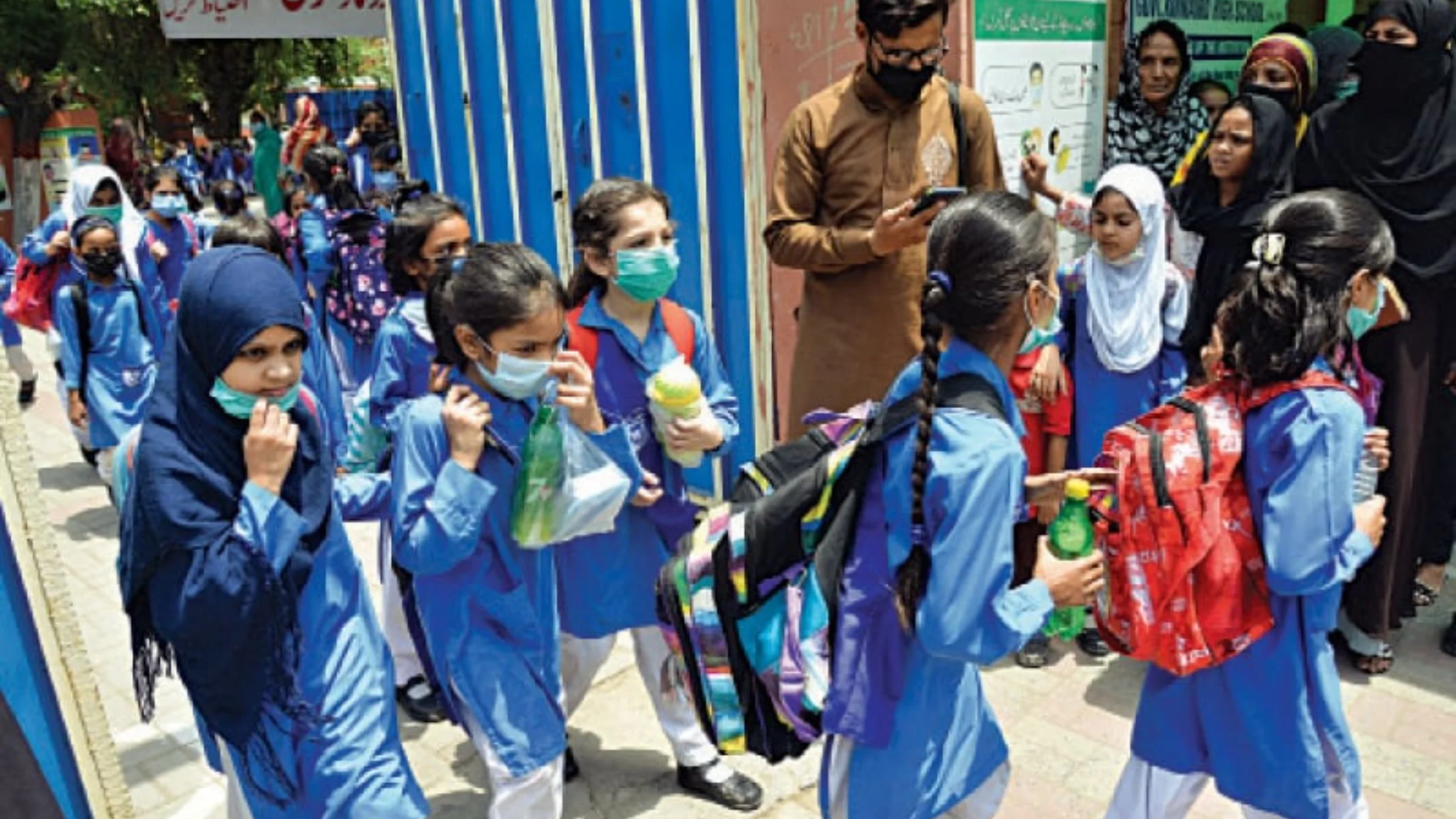
The government of Punjab has confirmed that schools across the province will reopen from April 1, putting an end to speculation about a possible extension of the March holidays. This announcement comes after a three-week closure from March 10 to 31, which was implemented to help families cope with rising fuel prices amid the ongoing Middle East conflict.
During the closure, authorities considered several options to manage the energy crisis, including extending school holidays, introducing hybrid learning models, and implementing fuel rationing for school transport. These measures were intended to reduce economic pressure on families and ensure that essential energy supplies could be managed efficiently. However, after careful evaluation, the government decided that continuing closures would negatively affect students’ education and overall academic progress.
Punjab’s Education Minister, Rana Sikandar Hayat, emphasized the importance of returning students to classrooms. He stated that reopening schools will resume full academic activities across the province, allowing students to catch up on missed lessons and maintain continuity in their education. Schools are expected to follow all existing safety protocols, and authorities have assured parents that proper arrangements are in place to manage energy use responsibly during the reopening.
The decision is widely welcomed by educators and parents who were concerned about the disruption to learning. Students, especially those in examination years, will benefit from structured classroom instruction rather than prolonged breaks or online learning alternatives, which can sometimes limit interaction and engagement. Experts also note that resuming in-person education supports not only academic development but also the social and emotional well-being of students.
While the reopening marks a positive step for education, the government continues to monitor energy availability and economic conditions to ensure minimal disruption. This approach reflects a balance between managing the fuel crisis and maintaining educational continuity for millions of students in Punjab.