
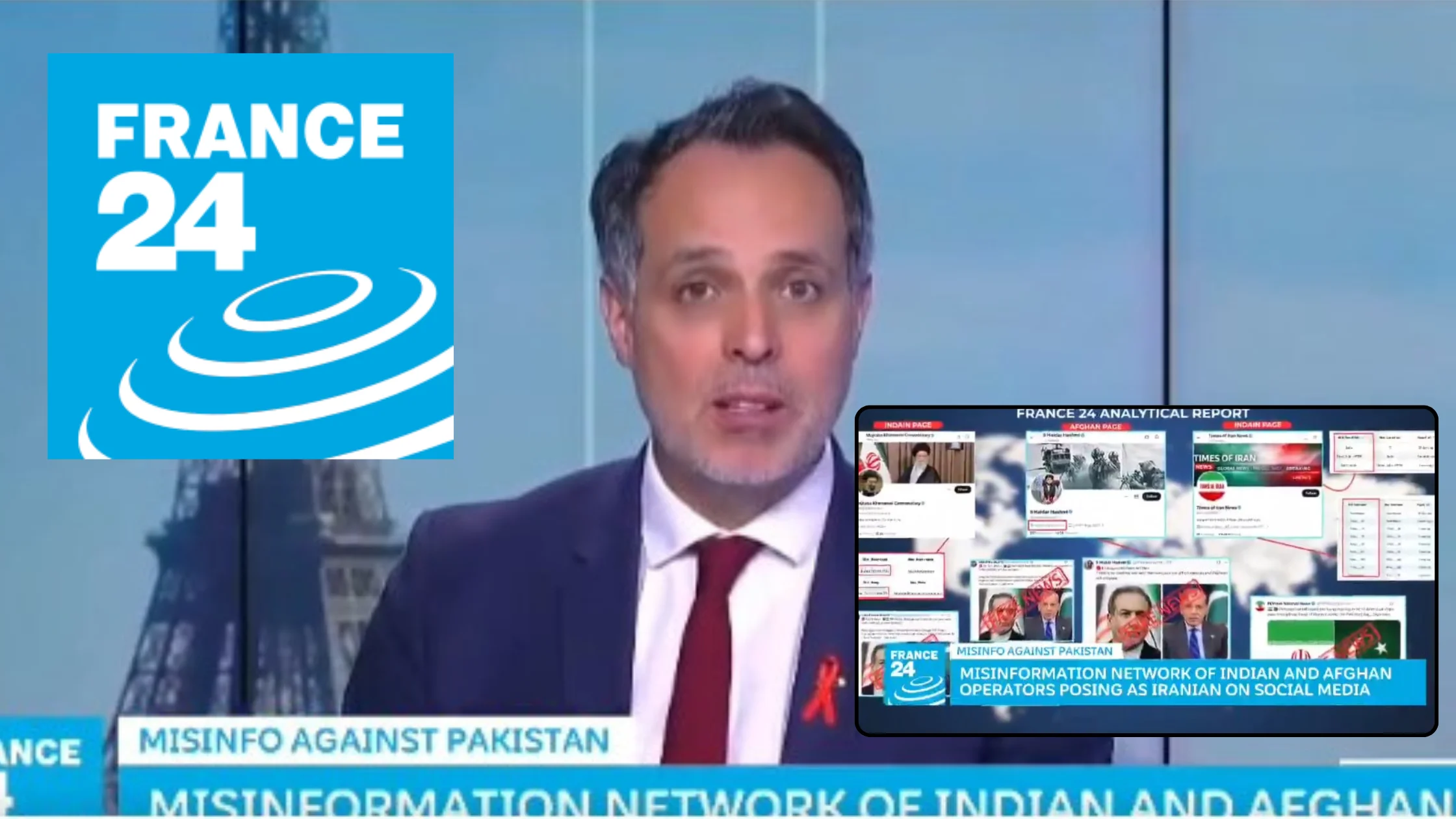
Recent intelligence reports reveal that a coordinated disinformation campaign is targeting Pakistan’s diplomatic efforts between the United States and Iran. The campaign, reportedly operated from India and Afghanistan, uses fake Iranian identities on platforms like X (formerly Twitter) to spread false narratives and create confusion in regional diplomacy.
According to Pakistan’s cyber intelligence authorities, the primary goal of this network is to sabotage Pakistan’s role as a mediator in U.S.-Iran talks and undermine regional relations. By pretending to be Iranian users, the operators are attempting to inject misleading information, destabilize diplomatic channels, and manipulate public perception online. This is not an isolated incident but part of a planned, sustained strategy to interfere with digital diplomacy in the region.
The network reportedly publishes fake news, manipulated content, and propaganda aimed at questioning Pakistan’s credibility while exaggerating tensions between Iran and other countries. Experts warn that such campaigns can influence public opinion, mislead decision-makers, and potentially derail sensitive negotiations. The operation demonstrates how cyber tools are increasingly used as instruments of political influence in South Asia.
Pakistan Army Secures 32 sq km Area from Afghan Taliban with Permanent Border Fence
Pakistan’s intelligence agencies are closely monitoring these activities, identifying fake accounts, tracing their origins, and coordinating responses to minimize their impact. Officials stress that public awareness and media literacy are crucial in countering such efforts, as these disinformation campaigns thrive on uncertainty and misinformation.
Analysts say that while digital platforms offer the opportunity for instant communication, they also make diplomacy vulnerable to manipulation by hostile actors. Understanding, exposing, and responding to these tactics is essential for safeguarding Pakistan’s diplomatic initiatives and maintaining regional stability.
The ongoing campaign highlights a growing trend of cyber interference in international relations, showing that strategic narratives are no longer confined to traditional media but are actively shaped in the digital sphere.