
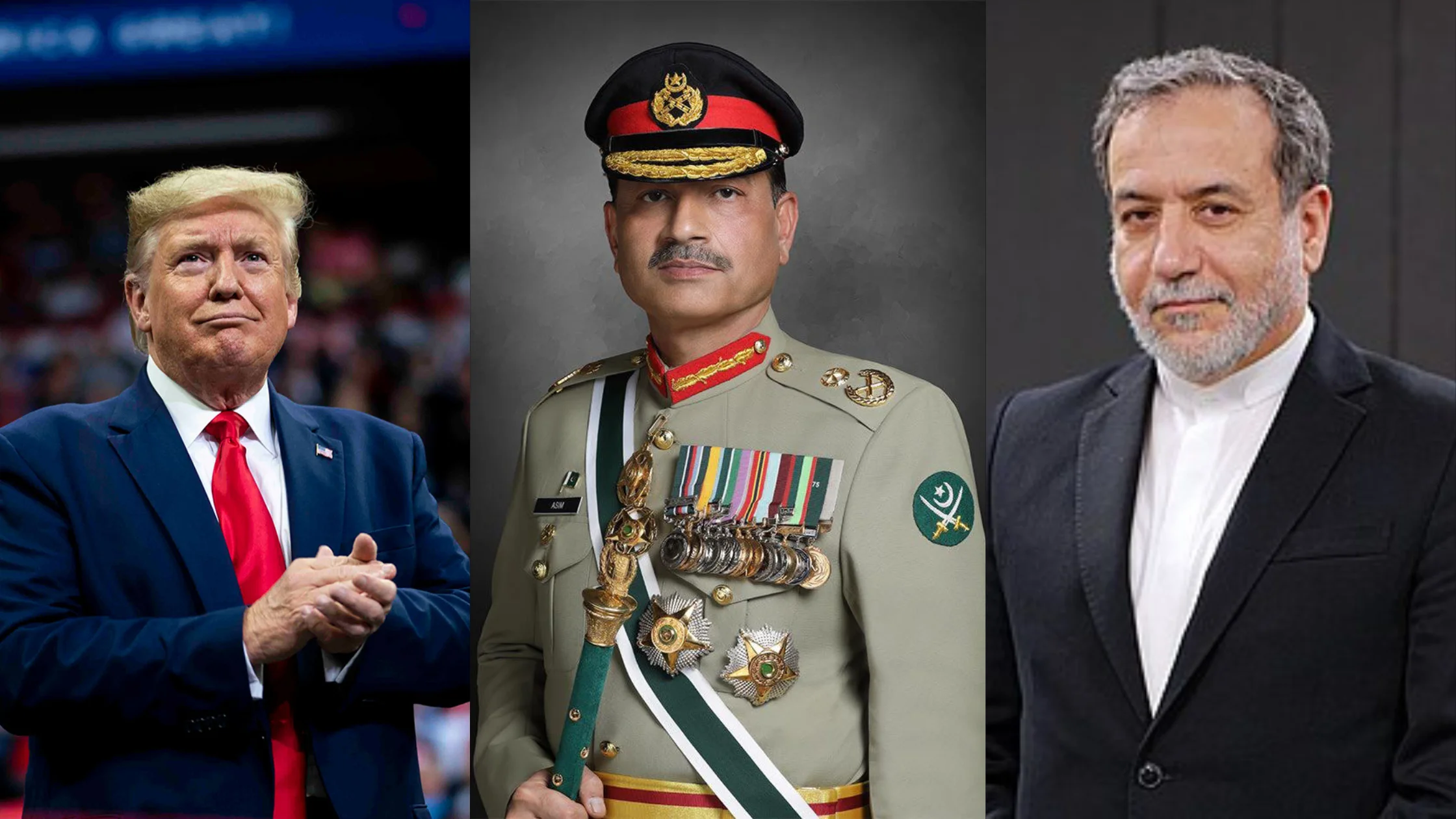
Pakistan’s Chief of Army Staff, Syed Asim Munir, played a key diplomatic role by holding overnight discussions with senior US officials and Iran’s foreign minister in an effort to reduce rising regional tensions. According to reports, the main goal of these talks was to achieve an immediate ceasefire and ensure the reopening of the Strait of Hormuz, one of the world’s most important oil shipping routes. The discussions were described as urgent and high-level, showing the seriousness of the situation and the need for quick action to avoid further escalation.
The Strait of Hormuz is a critical passage for global oil supply, and any disruption there can affect energy markets worldwide. By focusing on reopening this route, the talks aimed to stabilize not only the region but also international trade and fuel prices. Pakistan’s involvement highlights its growing diplomatic role in promoting peace and dialogue between major global and regional players. The overnight negotiations show how quickly situations can change and how important it is for countries to work together to avoid conflict.
Iran FM Abbas Araghchi Appreciates Pakistan’s Role, Open to Talks in Islamabad
Reports suggest that these initial discussions could lead to broader negotiations in Pakistan within the next two to three weeks. These upcoming talks are expected to include more detailed discussions on long-term peace, security cooperation, and stability in the region. Hosting such negotiations would place Pakistan in a significant position as a mediator, helping to bring different sides together for constructive dialogue.
This development reflects Pakistan’s effort to contribute positively on the global stage by encouraging peaceful solutions instead of conflict. While challenges remain, the willingness of all parties to engage in dialogue is seen as a hopeful sign. If successful, these efforts could not only prevent further tensions but also strengthen diplomatic ties and promote long-term stability in a sensitive region.