
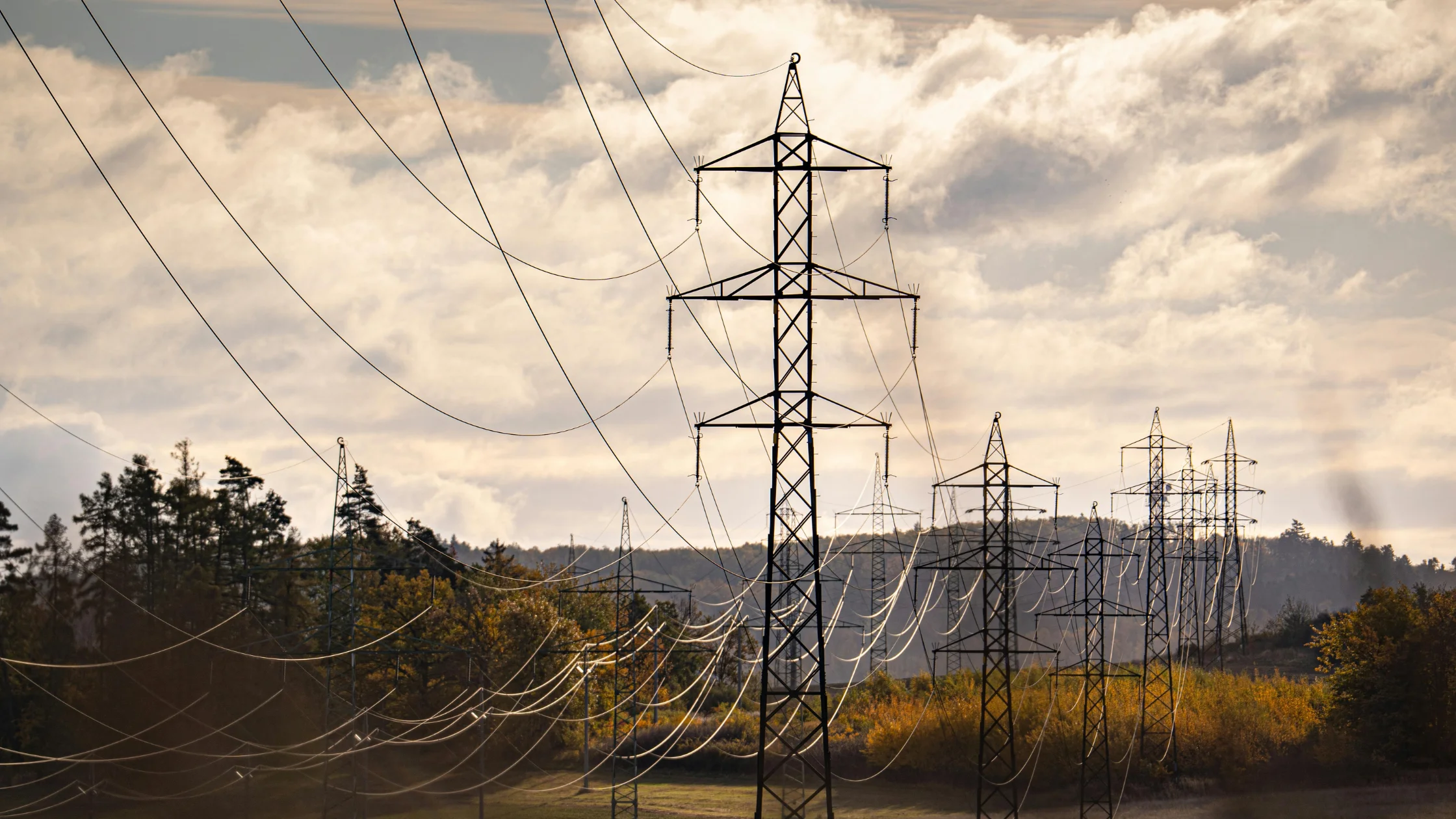
In a major bid to modernize Pakistan’s struggling power sector, Federal Minister for Energy Owais Leghari announced a sweeping series of structural reforms designed to slash power tariffs, eliminate inefficient energy models, and introduce high-tech consumer solutions.
Speaking at a high-level power conference in Lahore, the minister unveiled a forward-looking vision where daytime electricity will become cheap enough that consumers can affordably store excess power in batteries to run their homes and businesses at night.
The announced reforms target everything from heavy industrial manufacturing to grassroots distribution efficiency, signaling a fundamental shift in how Pakistan produces and sells electricity.
The Strategic Blueprint: Key Pillars of the 2026 Energy Reforms
The government’s energy roadmap focuses heavily on breaking away from old, expensive power generation contracts and embracing digital grid management.
[Old Energy Model] ──> Block Future Expensive IPPs ──> Reduce Industrial Daytime Tariffs ──> [Battery Storage Era]
   (High-Cost Traps)                                    (Cut Rs. 6-7 Per Unit)             (Nighttime Energy Relief)
1. The Death of the Old IPP Model
In a monumental policy shift, Minister Leghari announced that the government plans to completely halt all future Independent Power Producer (IPP) projects under the existing capacity-payment model. For decades, these contracts forced the state to pay private power plants even when they weren’t producing electricity, heavily driving up public utility bills. Moving forward, the focus will pivot entirely to sustainable, market-competitive, and cost-effective energy models.
2. Massive Tariff Cuts for Heavy Industry
To kickstart stagnant economic activity and boost local manufacturing, the government is slumping daytime electricity tariffs for industrial categories B3 and B4 by approximately Rs. 6 to Rs. 7 per unit. Lowering overhead costs for major factories is expected to make Pakistani exports more competitive globally while generating local employment.
Pakistan Expects LNG Relief as Power Outages Continue Across Major Cities
3. Privatization and Smart Metering
To combat chronic billing inaccuracies and rampant power theft, the ministry is inviting private sector companies to roll out smart electricity meters across the country. Additionally, the government is cutting costs on meter procurement and actively prepping several state-owned energy companies for privatization within the next 12 to 24 months to curb massive financial losses in power distribution.
The Battery Shift: Changing How Pakistan Uses Power
The most technologically ambitious aspect of Leghari’s address was the government’s push toward localized energy storage. By driving down daytime electricity costs—predominantly fed by cheap solar and hydro generation during peak sunlight hours—the ministry wants to make it financially viable for everyday citizens to charge home battery setups.
                  ┌───> Direct Daytime Factory Production (Rs. 6-7 Tariff Cut)
                  │
[Cheap Daytime Solar/Hydro]
                  │
                  └───> Charge Home/Industrial Batteries ──> Discharge for Nighttime Use
Energy experts note that combining affordable daytime power with modern battery storage will allow consumers to bypass incredibly expensive nighttime grid tariffs. This strategy not only lowers household utility bills but also relieves massive pressure on the national grid during peak evening hours, fundamentally improving overall energy reliability across Pakistan.