
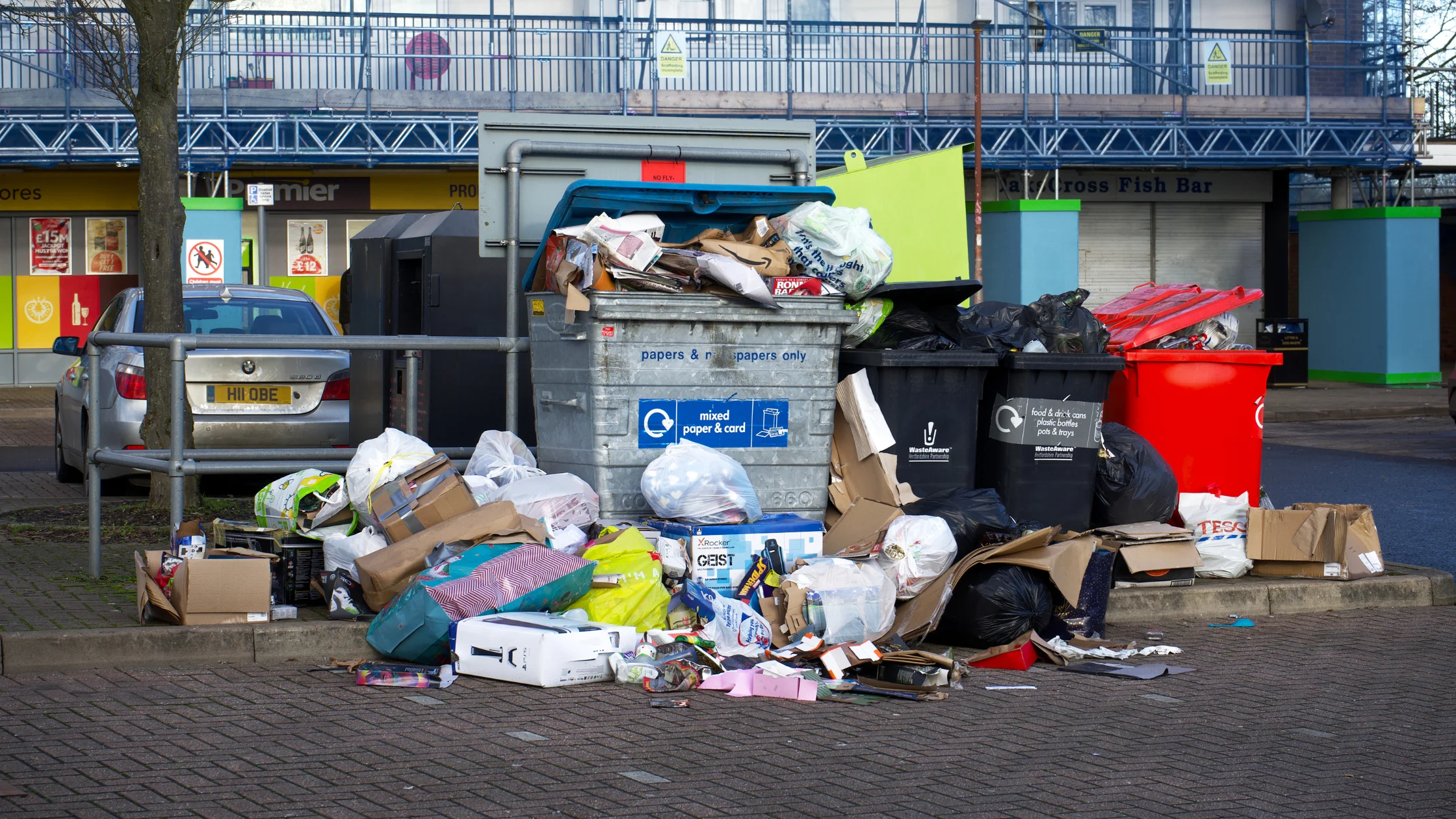
The Sindh Solid Waste Management Board has introduced strict new enforcement measures to improve cleanliness in Karachi by authorizing field officers to impose fines ranging from Rs. 50,000 to Rs. 500,000 on individuals and businesses that violate waste disposal regulations.
According to SSWMB Managing Director Tariq Ali Nizamani, assistant directors working in the field have been officially designated as inspectors under the Sindh Local Government Act, giving them legal authority to take action against offenders.
Karachi generates more than 14,000 tonnes of municipal waste every day, and officials say stronger enforcement is necessary to stop illegal dumping, improve waste collection, and reduce environmental pollution across the city.
As part of a broader waste management strategy, the SSWMB plans to recommend linking the renewal of trade licenses with mandatory waste management training for businesses. The proposed program will educate business owners on waste segregation, recycling, and environmentally responsible disposal practices.
The Sindh government has also allocated 3,000 acres of land in Dhabeji for the development of a modern landfill facility. The new site is intended to provide scientific disposal of municipal, industrial, and medical waste, helping Karachi move toward a more sustainable waste management system.
96 E‑Challans Issued on First Day for Lane Violations on Karachi’s Shahrah‑e‑Faisal
In addition, studies are underway under the Solid Waste Emergency & Efficiency Project, which is supported by the World Bank. The project aims to develop long-term solutions for hazardous waste management and improve overall waste handling infrastructure in Sindh.
The board has further proposed establishing designated animal sacrifice sites in every union committee before the next Eid ul Adha. This step is expected to improve waste collection and public hygiene during the festival period.
With the introduction of these heavy fines and new waste management initiatives, authorities hope to make Karachi cleaner, reduce environmental hazards, and encourage both residents and businesses to follow proper waste disposal practices.