

The Ministry of Water Resources has revealed a substantial increase in the cost of Pakistan’s major hydropower projects, citing inflation, the depreciation of the Pakistani rupee, construction delays, rising security expenses, and higher financing costs as the primary reasons.
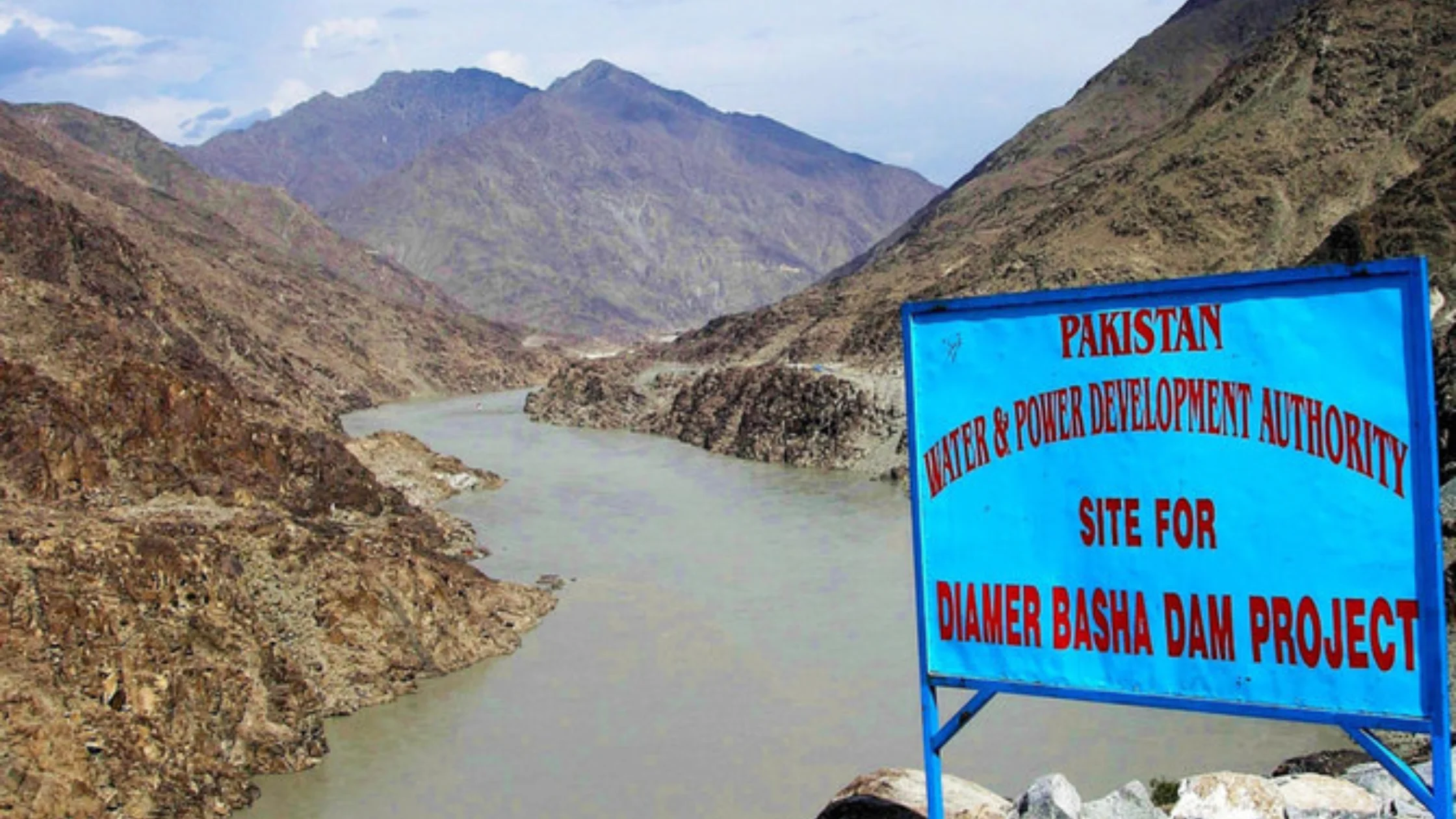
According to the ministry, the Diamer Basha Dam has experienced a 134 percent increase in its estimated cost. The dam component, originally approved at Rs. 479.7 billion, is now projected to cost approximately Rs. 1.122 trillion. Officials said the revised estimate reflects outdated initial pricing, significant currency depreciation, updated engineering standards, revised construction contracts, and additional spending on security and supporting infrastructure. The project’s completion deadline has also been extended from February 2029 to December 2030.
Other major hydropower projects have also recorded sharp cost escalations. The Mohmand Dam is now estimated at Rs. 665.7 billion, a 115 percent increase from its original cost of Rs. 309.6 billion. Meanwhile, the Dasu Hydropower Project Stage I has seen the largest increase, with costs rising 260 percent from Rs. 486.1 billion to Rs. 1.738 trillion. The ministry noted that nearly 90 percent of Dasu’s additional costs resulted from factors beyond the project’s control, including exchange rate fluctuations, inflation, security requirements, financing charges, and social safeguard measures.
Punjab to Require Recharge Wells in New Homes Under Major Water Conservation Plan
The Tarbela Fifth Extension has also witnessed a 285 percent cost increase, with estimates climbing from Rs. 82.4 billion to Rs. 316.4 billion. Officials explained that the original estimates were based on 2014 prices, while years of inflation and a significantly weaker rupee have dramatically increased project expenses.
These rising costs highlight the financial challenges facing Pakistan’s critical infrastructure projects as the government continues efforts to strengthen the country’s energy and water resources.