
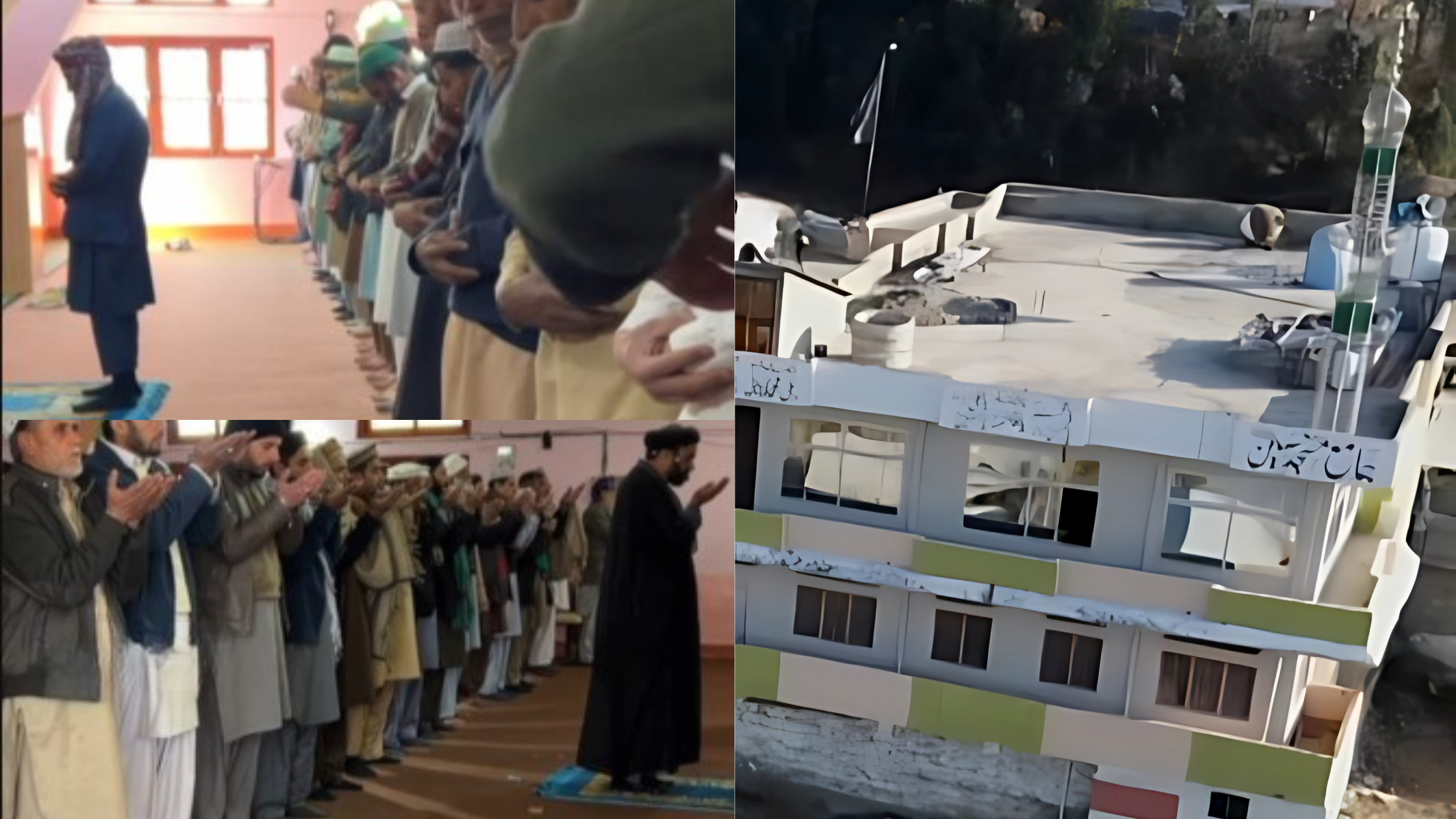
In a small village in Pakistan’s Mansehra district, something extraordinary happens every day. Shia and Sunni Muslims – who in some places might worship separately – come together in the same mosque. Not only do they share the prayer space, but their families have been intermarrying for generations, showing the world that faith differences don’t have to keep people apart.
What makes this mosque special is how the call to prayer works. Instead of one group always giving the call, they take turns. A Shia muezzin calls believers to prayer for Fajr, Dhuhr and Maghrib, while a Sunni muezzin handles the Asr and Isha calls. This simple but powerful system has worked smoothly for years, proving that respect can overcome religious differences.
The unity goes beyond the mosque walls. Shia and Sunni families here regularly marry between their communities, creating bonds that go deeper than religious labels. Villagers proudly talk about how this tradition of acceptance has kept their community peaceful when other places have faced sectarian tensions.
Hajj 2025: Pakistan’s First Pilgrimage Flight to Saudi Arabia Scheduled for May 1
This village offers an important lesson for all of us. It shows that when people focus on what unites them rather than what divides them, amazing things can happen. The mosque isn’t just a building – it’s proof that different Muslim traditions can not only live side by side, but actually strengthen each other.
At a time when religious differences often make news for causing conflicts, this Pakistani village tells a different story. It reminds us that peace is possible when people choose understanding over division. Their daily practice of sharing a mosque and their lives stands as a powerful example for the rest of the Muslim world – and indeed for all communities struggling with religious differences.