
Pakistan’s dairy sector, a vital part of the national economy, is facing financial strain due to the 18% General Sales Tax (GST) on packaged milk. The policy, initially introduced to enhance tax revenue, has instead placed a significant burden on consumers, dairy farmers, and processing companies. Recognizing these challenges, the government is now reviewing the tax to encourage investment and support industry growth.
Federal Minister for National Food Security and Research Rana Tanveer Hussain recently met with a delegation from the Pakistan Dairy Association (PDA), where he acknowledged the negative impact of the GST on the dairy sector. He assured stakeholders that the government is considering tax reforms to make dairy products more affordable and ensure sustainable industry growth.

Pakistan’s Dairy Industry: A Key Economic Contributor
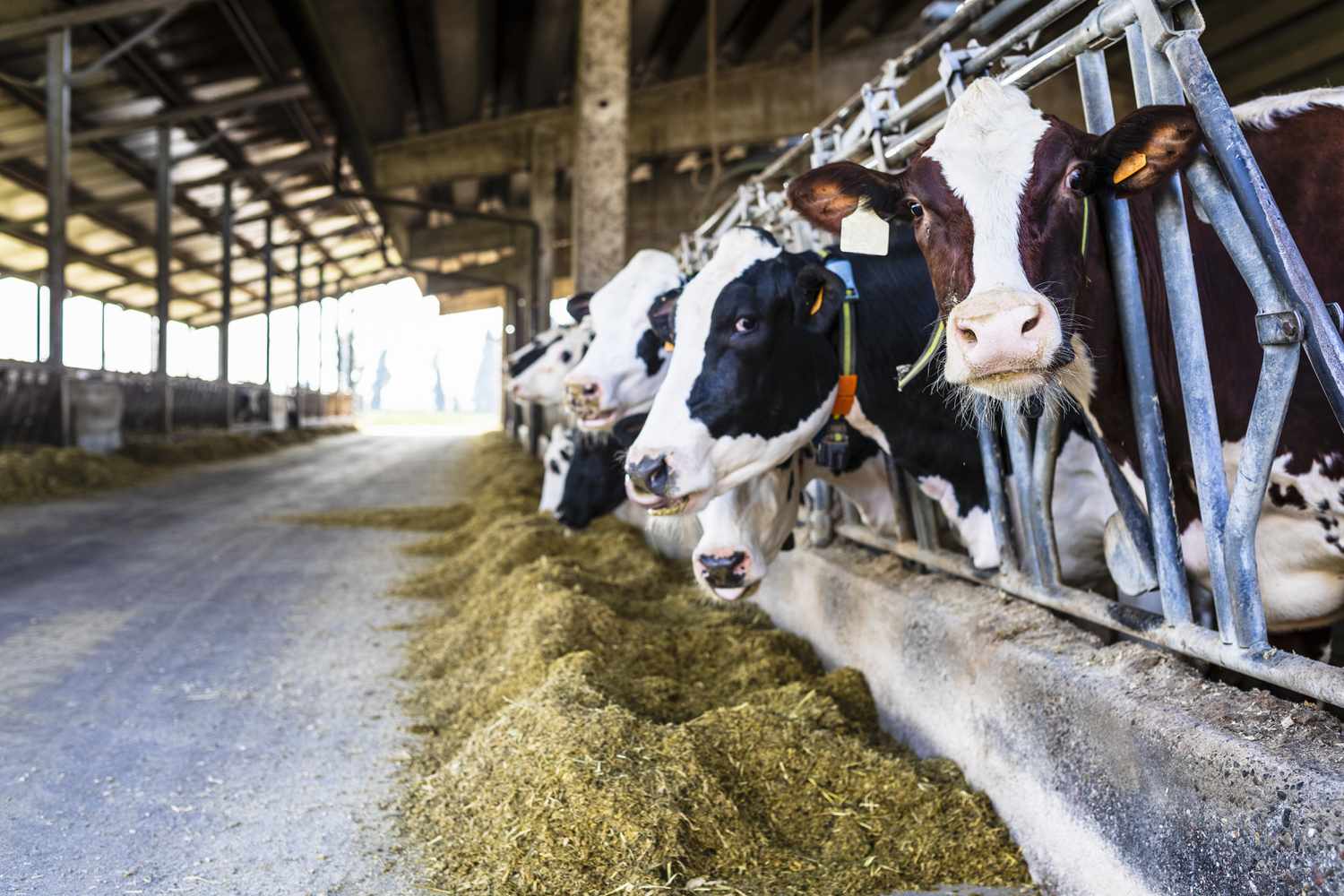
Pakistan ranks among the top five milk-producing countries globally, with an annual production of over 70 million tonnes. The sector not only fulfills the nutritional needs of millions but also provides livelihoods to millions of farmers. Despite its potential, the dairy industry faces numerous structural and policy challenges, limiting its efficiency and expansion.
Dairy farming in Pakistan is predominantly small-scale, with about 80% of farmers owning fewer than five animals. While the industry has the potential for large-scale growth, issues such as high production costs, poor cold storage infrastructure, fluctuating milk prices, and an unstable regulatory environment continue to hold it back.
The introduction of 18% GST on packaged milk added another layer of complexity, increasing the cost for consumers while discouraging investments in dairy processing. Milk, being a staple in most households, saw a price surge, making it less affordable for lower-income groups.
The Impact of 18% GST on Dairy Sector
The imposition of GST on packaged milk has created several economic and operational challenges:
1. Increased Consumer Prices
With the addition of 18% tax, the cost of packaged milk has increased, forcing many consumers to shift to loose, unprocessed milk. While loose milk is cheaper, it often lacks quality control and safety measures, raising health concerns.
2. Declining Investments in the Dairy Sector
Dairy processing companies have struggled to maintain profit margins, leading to reduced investments in modern processing plants, cold storage facilities, and quality assurance measures. A stagnant or declining industry discourages foreign and local investors, further limiting expansion.
3. Financial Pressure on Dairy Farmers
With higher costs passed down the supply chain, farmers receive lower prices for their milk, reducing their incentive to expand dairy production or improve quality standards. This, in turn, affects the overall milk supply in the country.
4. Growth of the Informal Sector
The informal milk sector, which operates outside of regulatory frameworks and tax structures, has seen growth due to the rising costs of packaged milk. While this benefits some consumers in the short term, it also leads to unregulated milk distribution, increasing the risk of adulteration and health hazards.
Government’s Response and Future Strategy
During his recent meeting with the Pakistan Dairy Association (PDA), Federal Minister Rana Tanveer Hussain emphasized the need for policy reforms to unlock the sector’s full potential. The government is now considering a revision of the 18% GST, with the aim of reducing consumer costs, supporting dairy processors, and encouraging investment in the industry.
Key Takeaways from the Minister’s Meeting
The government recognizes the negative impact of GST on milk affordability and industry growth.
The Ministry of National Food Security and Research will actively engage stakeholders to explore tax relief measures.
Any tax adjustments will be designed to benefit both consumers and dairy farmers, ensuring long-term sustainability.
The government is committed to aligning Pakistan’s dairy sector with global standards to boost competitiveness and attract investment.
The Way Forward: Policy Recommendations
To ensure the long-term success of Pakistan’s dairy sector, a comprehensive policy approach is needed. Here’s how the government can address the challenges:
1. Reduction or Removal of GST on Packaged Milk
Lowering or eliminating GST on packaged milk will make it more affordable for consumers while allowing dairy processors to maintain profitability and reinvest in the sector.
2. Strengthening the Formal Dairy Sector
The government should incentivize farmers to supply milk to regulated processing companies, ensuring quality control, fair pricing, and long-term sustainability.
3. Investment in Cold Storage and Supply Chain Infrastructure
A major challenge in the dairy industry is milk wastage due to inadequate refrigeration and transportation facilities. Investing in cold chain infrastructure can significantly reduce losses and improve efficiency.
4. Supporting Dairy Farmers with Subsidies and Training
Farmers should be provided with financial support, modern breeding techniques, and animal health services to enhance milk production and quality.
5. Encouraging Public-Private Partnerships (PPPs)
Collaborating with private sector players can help introduce innovative dairy farming solutions, better supply chain mechanisms, and improved milk quality standards.
The 18% GST on packaged milk has placed a financial strain on consumers, dairy farmers, and processing companies, leading to higher prices, reduced investments, and an increased reliance on the informal, unregulated milk market.
The government’s willingness to review the tax policy is a positive step toward addressing the crisis. By reducing GST, strengthening dairy infrastructure, and supporting farmers, Pakistan can boost milk production, attract investment, and ensure affordable dairy products for all citizens.
A thriving dairy sector means a stronger economy, healthier consumers, and a sustainable future for Pakistan’s agricultural industry. The government must now act decisively to implement these reforms before the challenges deepen further.