
Lahore’s air quality has shown measurable improvement as the Punjab government intensifies its clean air reforms under the leadership of Chief Minister Maryam Nawaz. A series of technology-driven, regulatory, and sector-wide interventions have begun to produce visible results, marking one of the most coordinated environmental initiatives undertaken in the province.
A major component of the strategy is the use of digital surveillance and drone monitoring, allowing authorities to detect pollution sources in real time. This system has strengthened enforcement efforts and ensured quicker responses to violations.
The government has also moved to strictly implement Environmental Protection Fund (EPF) regulations, ensuring that industrial units and other contributors remain accountable for environmental compliance.
Saudi Carrier Flyadeal Expands Pakistan Reach, Adds Lahore as 5th Destination
To tackle agricultural pollution, particularly smog caused by crop residue burning, the province has introduced 5,000 super seeders, enabling farmers to clear fields without resorting to stubble burning. This shift is already reducing seasonal spikes in air pollution levels.
Industrial emissions have been addressed through the installation of cleaner chimneys and white-smoke kilns, helping brick kilns and factories transition toward cleaner, regulated operations. Additionally, the rollout of a vehicle emission fitness certification system is ensuring that unfit and high-emission vehicles are identified and removed from circulation.
Construction activities—one of the largest contributors to urban dust—have come under stricter scrutiny with mandatory environmental compliance and certification for construction sites. These sites are now required to follow dust-control protocols to limit particulate emissions.
Solid waste management has also been strengthened. Managed dump sites and strict prohibition of open waste burning are helping to reduce harmful smoke and toxins from entering the city’s air.
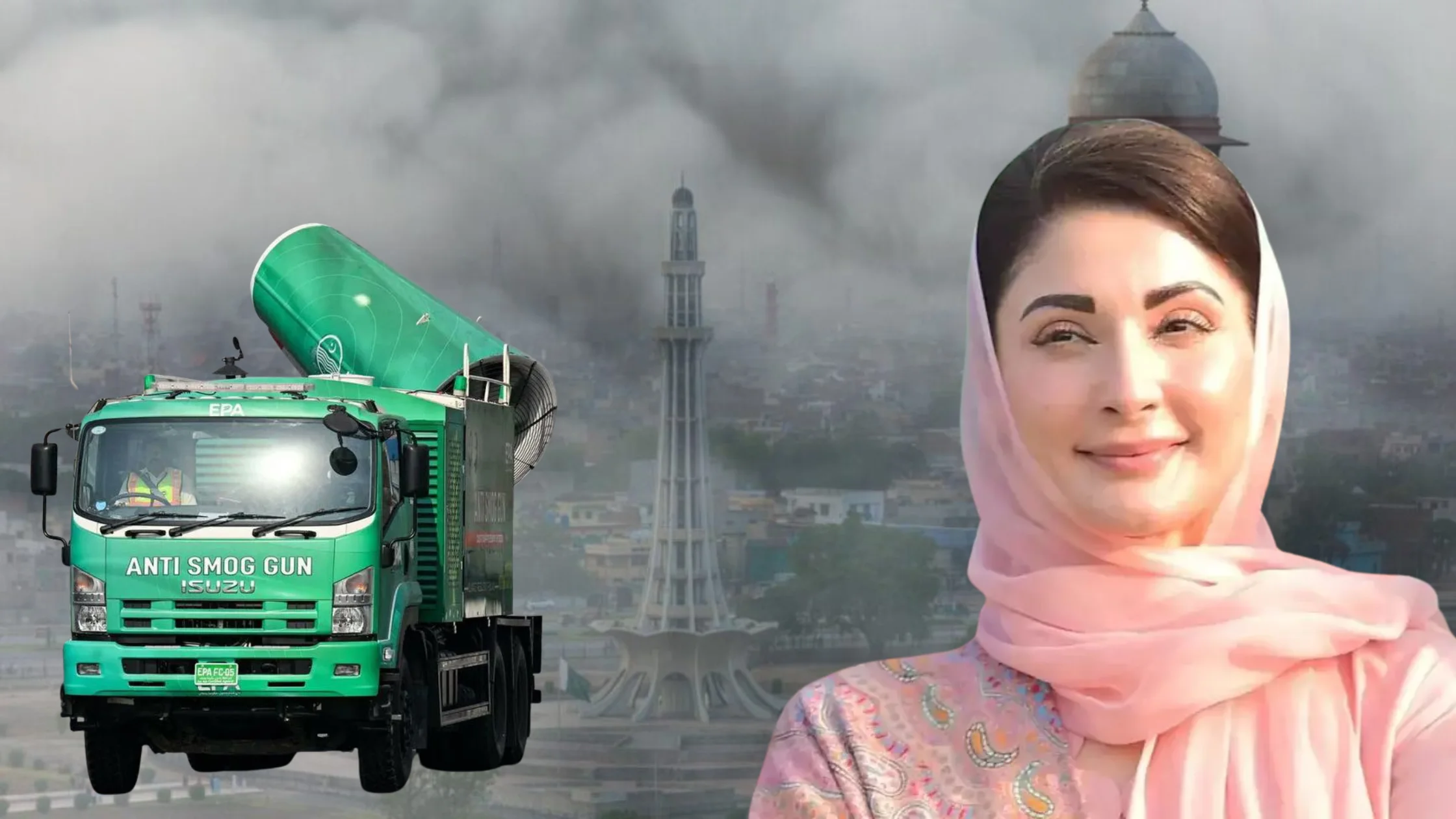
Complementing these efforts, Lahore has adopted technology-based mitigation tools, including sprinklers, dust guns, and automated systems designed to reduce airborne particles in high-traffic and construction-prone areas.
Together, these comprehensive measures have led to a noticeable improvement in Lahore’s air quality. The progress demonstrates how systematic planning, consistent enforcement, and cross-sector coordination can effectively tackle the complex challenge of urban pollution. The provincial government views this momentum as a foundation for long-term environmental sustainability and cleaner urban living across Punjab.