
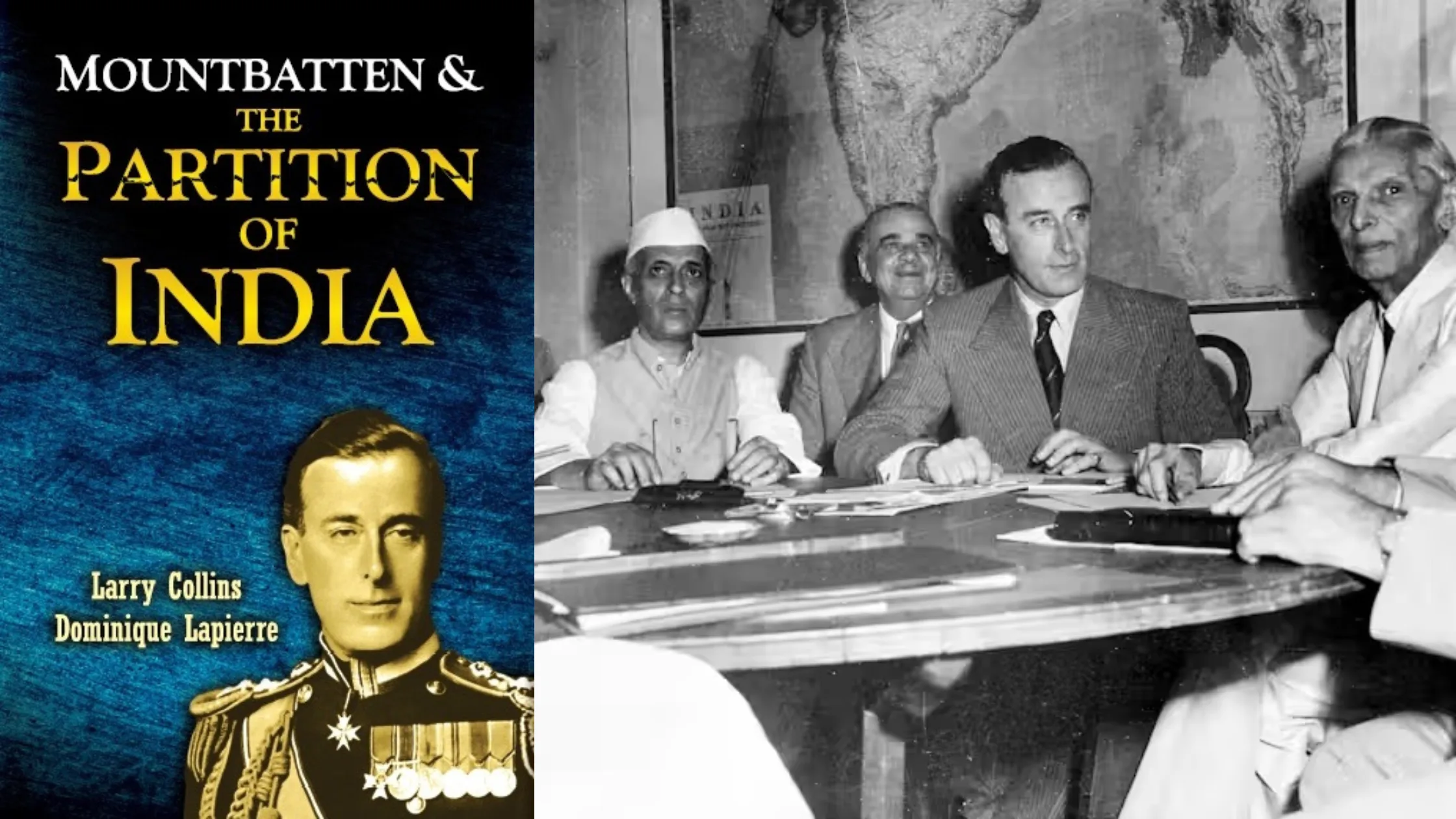
A new historical discussion has revealed a surprising fact about the creation of Pakistan. Senior journalist Hamid Mir, while referring to the book “Lord Mountbatten and Partition of India”, shared some hairān-kun inkishafāt regarding Lord Mountbatten ki peshkash to Quaid-e-Azam Muhammad Ali Jinnah.
According to the book, Lord Mountbatten, the last Viceroy of British India, admitted that he was strongly against the division of India. He wanted to see a united country instead of two separate nations. To stop the demand for Pakistan, he made an unusual offer to Jinnah.
Mountbatten claimed that on the suggestion of Mahatma Gandhi, Jinnah was offered the position of Prime Minister of united India. This would have been the highest political office in the subcontinent. However, Jinnah did not accept this proposal.
The reason for rejection was clear: Jinnah feared the establishment of Hindu Raj. He believed that even if he became Prime Minister, Muslims would remain vulnerable under majority rule. For him, the demand for a separate homeland was not about power but about survival, dignity, and the future of the Muslim community.
The book also quotes Mountbatten saying that if Jinnah had passed away two years earlier, Pakistan might never have been created. He admitted that Jinnah was the only leader who stood firmly against all attempts to block the partition.
These details highlight how determined Jinnah was. While many leaders might have accepted the offer for personal gain, Jinnah chose sacrifice and principle. His vision for Pakistan was stronger than any position or power in a united India.
This Mountbatten ki mansūba (ماؤنٹ بیٹن کی منصوبہ) finally failed, and Jinnah’s leadership led to the creation of Pakistan in 1947.
FAQs
1. What was Lord Mountbatten’s offer to Quaid-e-Azam?
He offered him the role of Prime Minister of a united India instead of creating Pakistan.
2. Why did Jinnah reject the offer?
He feared Hindu-majority dominance and insisted on a separate homeland for Muslims.
3. Who revealed these shocking facts?
Hamid Mir, quoting the book “Lord Mountbatten and Partition of India.”
4. What did Mountbatten admit later?
That Jinnah was the only leader who defeated his efforts to stop partition.
5. What does this reveal about Jinnah’s vision?
It shows he valued Pakistan’s creation more than personal power or political office.