
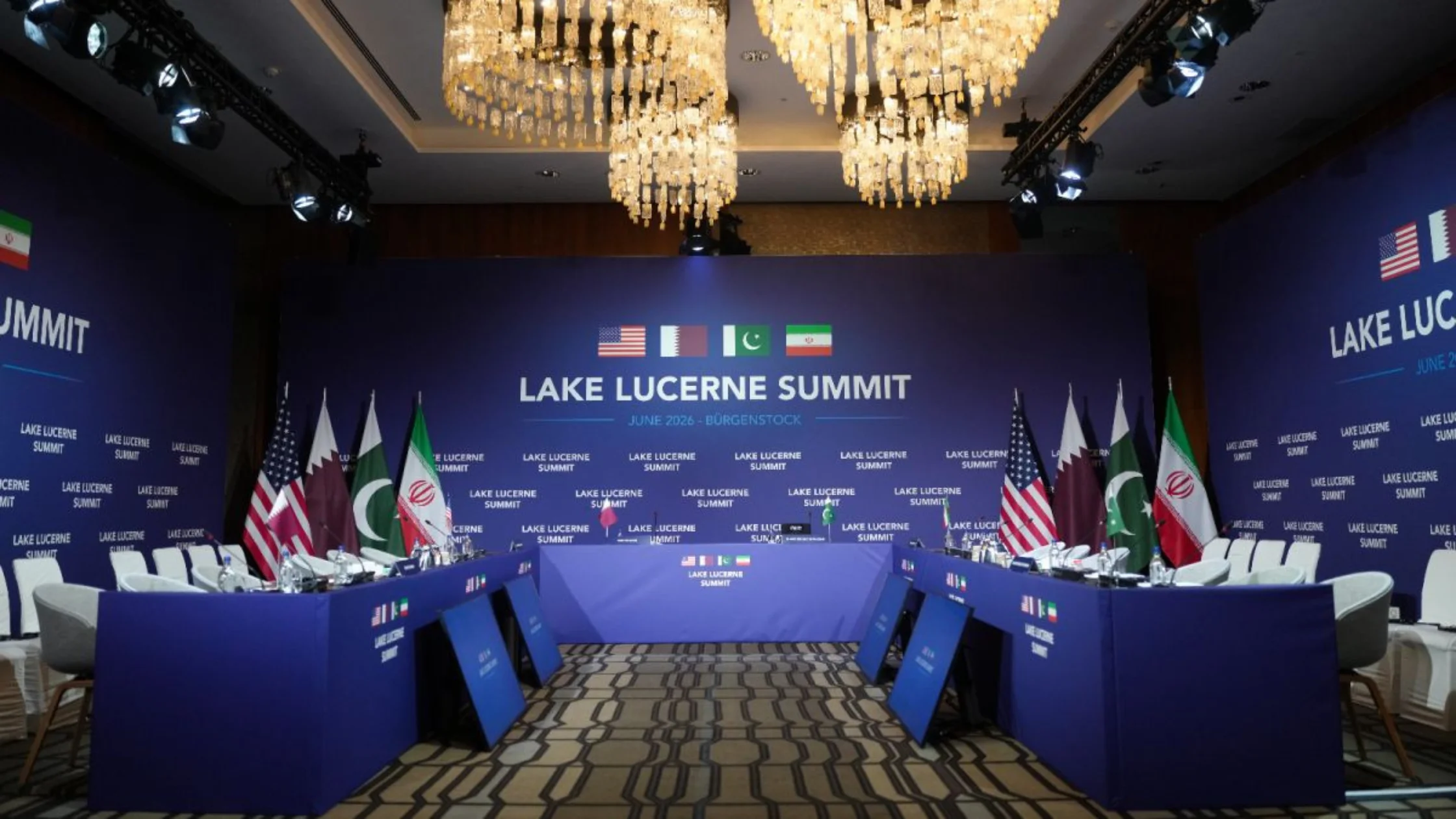
A major diplomatic breakthrough has emerged from Switzerland, where high-level negotiations between the United States and Iran concluded with a joint declaration facilitated by Pakistan and Qatar. The development is being viewed as one of the most significant diplomatic achievements of 2026, bringing renewed hope for stability in the Middle East after months of military tensions, economic uncertainty, and fears of a broader regional conflict.
The negotiations, held at the scenic Bürgenstock resort in Switzerland, gathered representatives from Washington and Tehran in an effort to reduce tensions and establish a framework for future cooperation. While the United States and Iran have remained at odds for decades over issues including nuclear activities, sanctions, regional influence, and security concerns, the latest talks produced tangible outcomes that many observers believe could pave the way toward a long-term understanding.
Pakistan and Qatar played a critical role throughout the process by providing diplomatic support, facilitating communication, and helping both sides remain engaged despite significant disagreements. The success of these efforts has enhanced Pakistan’s image as a responsible diplomatic actor capable of contributing to international peace and conflict resolution.
Joint Declaration Announces 60-Day Roadmap for a Final Agreement
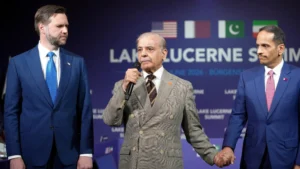
One of the most important outcomes of the Switzerland talks was the approval of a comprehensive 60-day roadmap designed to guide both countries toward a final agreement. According to the joint declaration released by Pakistan and Qatar, the roadmap establishes a structured timeline for negotiations, technical discussions, and implementation measures.
The roadmap is intended to prevent misunderstandings and ensure that progress continues even when disagreements arise. By setting clear milestones and objectives, negotiators hope to maintain momentum and avoid the collapse of talks that has occurred during previous diplomatic efforts between the two countries.
The agreement also sends a strong message to regional and international stakeholders that both Washington and Tehran remain committed to exploring diplomatic solutions rather than military confrontation. Analysts believe that the existence of a clear roadmap significantly increases the likelihood of achieving measurable progress during the coming weeks.
High-Level Monitoring Committee to Oversee the Negotiation Process
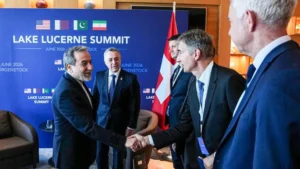
Another major outcome was the decision to establish a high-level committee responsible for supervising the entire negotiation process. This committee will monitor progress, review developments, and ensure that commitments made by both sides are implemented effectively.
According to details released through diplomatic channels, chief negotiators from both countries will provide regular reports to the committee. The committee will also coordinate the work of specialized groups dealing with sanctions, nuclear issues, compliance mechanisms, verification procedures, and dispute resolution.
The creation of this body is considered a crucial confidence-building measure because it provides an institutional mechanism to address concerns before they escalate into larger disputes. Diplomatic experts argue that such monitoring structures often determine whether peace initiatives succeed or fail.
Ishaq Dar & Turkish Foreign Minister Welcome US-Iran Peace Progress
Iranian Currency Gains Value in Pakistan After US-Iran Memorandum of Understanding
Mohsin Naqvi Visits Tehran to Help Break Deadlock in Iran–US Negotiations, Claims Hamid Mir
Technical Negotiations to Begin Immediately

The joint declaration confirmed that technical-level negotiations between Iran and the United States will begin immediately. These discussions are expected to continue throughout the week at Bürgenstock and will focus on practical issues that require detailed examination by experts.
Technical teams will discuss complex matters related to nuclear activities, sanctions implementation, verification systems, monitoring procedures, and mechanisms for resolving disagreements. Unlike political negotiations, which often focus on broad principles, technical talks are designed to transform political commitments into actionable plans.
Iranian Foreign Ministry spokesman Esmail Baghaei indicated that while the primary mission of the political delegation has been completed, technical teams will continue their work to ensure effective implementation of the memorandum of understanding reached during the talks.
This approach reflects lessons learned from previous diplomatic efforts, where insufficient technical planning often created obstacles during implementation phases.
Working Groups Formed on Nuclear Program and Sanctions
One of the most sensitive areas discussed during the negotiations was Iran’s nuclear program. To address these concerns, both sides agreed to establish dedicated working groups tasked with examining nuclear-related issues and sanctions policies.
The nuclear working group will focus on transparency measures, monitoring arrangements, and technical commitments that may help reduce international concerns regarding Iran’s nuclear activities. At the same time, the sanctions working group will evaluate possible mechanisms for easing economic restrictions while ensuring compliance with agreed obligations.
These discussions are expected to be particularly challenging because nuclear issues have historically represented one of the most significant obstacles in US-Iran relations. However, the decision to create formal working groups demonstrates a willingness by both parties to address difficult subjects through dialogue rather than confrontation.
Hormuz Maritime Communication Line to Protect Global Trade
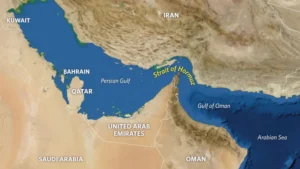
A notable achievement of the Switzerland negotiations was the agreement to establish a communication line concerning commercial shipping activities in the Strait of Hormuz.
The Strait of Hormuz is one of the world’s most strategically important waterways, serving as a critical route for global energy supplies. Any disruption in this area can significantly affect international oil markets, shipping costs, and economic stability.
The newly proposed communication mechanism aims to reduce misunderstandings, prevent accidental escalation, and ensure the safe movement of commercial vessels. International business communities and energy markets are expected to welcome this development because stability in the Strait of Hormuz directly impacts global trade and energy security.
Lebanon Ceasefire Monitoring Cell to Support Regional Stability
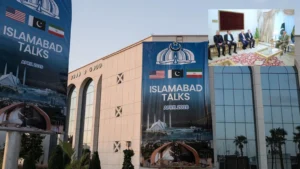
The talks also produced progress regarding Lebanon. Participants agreed to establish a deconfliction cell dedicated to supporting implementation of the Lebanon ceasefire.
This mechanism will include Lebanon and participating mediator countries. Its primary purpose will be to monitor developments, reduce tensions, and facilitate communication among relevant stakeholders.
The establishment of such a cell reflects growing concerns about regional instability and the possibility that conflicts in one area could trigger broader confrontations across the Middle East. By creating a dedicated structure focused on Lebanon, negotiators hope to reduce risks and encourage peaceful conflict management.
Iran Reports Partial Relief from Economic Restrictions
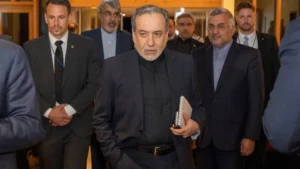
Iranian Foreign Minister Abbas Araghchi stated that positive developments have already emerged from the negotiation process. According to his remarks, certain economic restrictions have been eased, and some frozen Iranian assets have reportedly become accessible.
He also suggested that relief measures affecting oil and petrochemical exports have contributed to a more constructive environment for negotiations. While the full details of these developments remain subject to official confirmation and implementation procedures, the announcements have generated optimism within Iranian economic circles.
The possibility of increased economic activity could strengthen support for continued diplomacy and encourage broader cooperation between the parties involved.
Tensions Remain Despite Diplomatic Progress
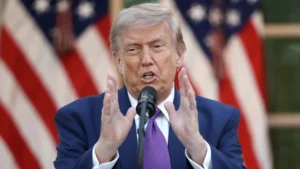
Although significant progress was achieved, tensions continue to exist. Reports indicate that strong statements made by US President Donald Trump during the negotiations triggered objections from the Iranian delegation.
Iranian representatives reportedly protested remarks concerning future military action and temporarily distanced themselves from direct discussions. These incidents demonstrate the fragile nature of the diplomatic process and highlight the challenges negotiators continue to face.
Even so, the fact that talks continued despite disagreements suggests that both sides recognize the importance of maintaining dialogue. Diplomatic observers note that difficult negotiations often involve moments of tension, especially when dealing with long-standing geopolitical disputes.
Pakistan Receives International Recognition for Mediation Efforts

Pakistan’s diplomatic role has attracted widespread recognition from regional and international partners. During meetings in Switzerland, Swiss officials praised Pakistan’s constructive involvement and expressed support for future stages of the process.
Prime Minister Shehbaz Sharif emphasized that successful implementation of the understanding reached in Switzerland could contribute significantly to regional peace and global economic stability. He also highlighted opportunities for enhanced cooperation with Switzerland in information technology, cybersecurity, pharmaceuticals, tourism, climate initiatives, and disaster management.
At the same time, foreign ministers from Pakistan, Saudi Arabia, Egypt, and Türkiye welcomed the diplomatic breakthrough and praised the efforts that helped bring both sides to the negotiating table.
Why These Talks Matter for the Middle East and the World

The Switzerland negotiations represent more than just another diplomatic meeting. They have the potential to influence regional security, energy markets, international trade routes, and global economic confidence.
If the 60-day roadmap succeeds, it could reduce tensions in key conflict zones, improve maritime security, support economic recovery, and encourage further diplomatic engagement across the Middle East. Success would also demonstrate the growing importance of regional mediators such as Pakistan and Qatar in resolving complex international disputes.
While major challenges remain, the talks have already achieved something many observers considered difficult only months ago: bringing the United States and Iran into a structured diplomatic framework with clearly defined objectives and implementation mechanisms.
Final Thoughts
The joint declaration issued after the Switzerland talks marks a potentially historic moment in modern diplomacy. Through the mediation efforts of Pakistan and Qatar, two long-time rivals have agreed on a framework that includes a 60-day roadmap, technical negotiations, nuclear and sanctions working groups, a high-level monitoring committee, maritime communication mechanisms, and regional security initiatives.
Whether this process ultimately leads to a comprehensive agreement remains uncertain. However, the progress achieved so far demonstrates that diplomacy continues to offer a path forward even in the most challenging international disputes. For Pakistan, the negotiations represent a significant diplomatic success that has strengthened its standing on the global stage while contributing to efforts aimed at promoting peace, stability, and cooperation throughout the region.