
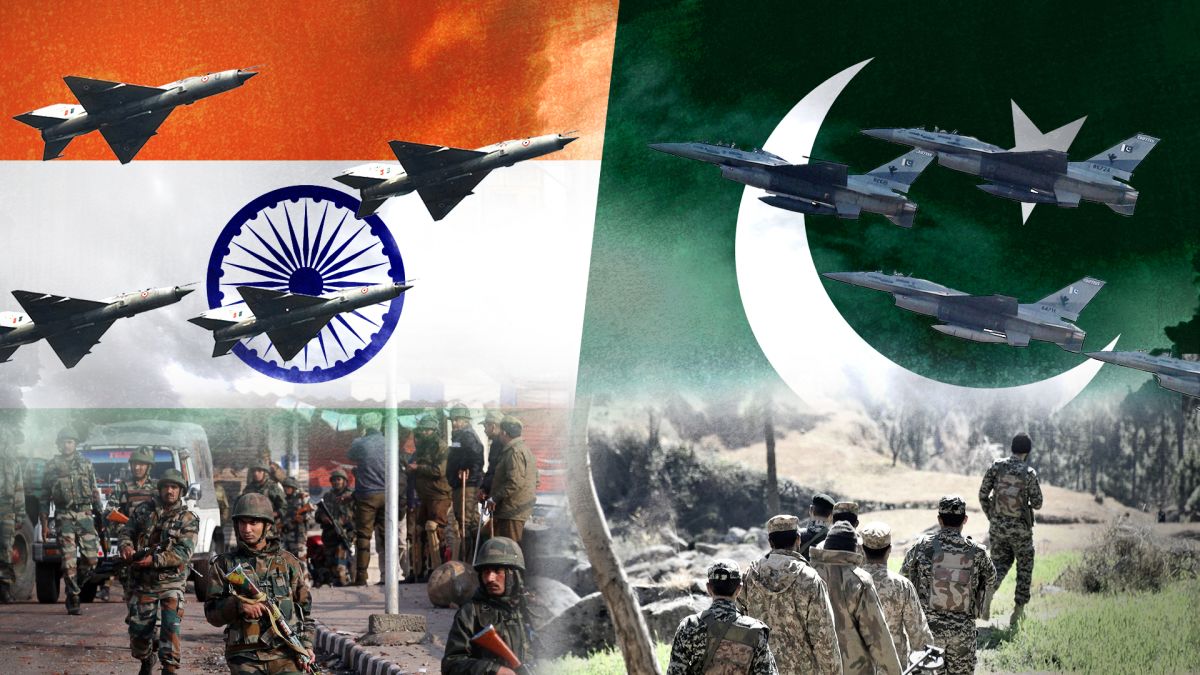
The simmering tensions between Pakistan and India have rapidly escalated into one of the most serious military confrontations in decades. This new conflict has raised alarming concerns globally, particularly with the two nations being nuclear-armed neighbors. The escalation, which began on May 7, 2025, with Indian airstrikes on Pakistani territory, has already resulted in significant military losses, civilian casualties, and substantial damage to vital infrastructure. This intensifying crisis is linked to the long-standing Kashmir dispute, with both countries showing increasing willingness to engage in direct military action, rather than confining hostilities to border skirmishes.
The trigger for this confrontation was a deadly terrorist attack on April 22, 2025, in Indian-administered Kashmir, which claimed the lives of 25 Indian civilians. India blamed Pakistan-based militants, particularly Jaish-e-Mohammed (JeM), for the attack. In retaliation, India carried out airstrikes, which soon spiraled into broader military action, with exchanges now involving major infrastructure strikes and combat losses on both sides.
This article aims to provide a detailed analysis of the latest military conflict between Pakistan and India, focusing on the impact on both countries within the last 24 hours of the escalation.

Section 1: The Timeline of Escalation
The current crisis can be broken down into three major phases:
Phase 1: The Triggering Event (April 22, 2025)
The conflict started with a terrorist attack on a tourist convoy in Indian-administered Kashmir’s Pahalgam district. The attack, which killed 25 Indian civilians, including women and children, was blamed by India on Pakistan-based Jaish-e-Mohammed militants. Pakistan denied involvement, but tensions quickly escalated, with India vowing a “befitting response.”

Phase 2: Diplomatic Breakdown (April 23 – May 6, 2025)
In the weeks following the attack:
- India suspended the 1960 Indus Water Treaty, which threatened Pakistan’s water security.
- Pakistan recalled its ambassador from New Delhi.
- Both countries conducted military drills near the border, preparing for an eventual escalation.
- The UN Security Council held emergency consultations, but no resolution was passed.


Phase 3: Military Escalation (May 7, 2025)
The situation turned into open conflict on May 7, 2025, when India launched coordinated airstrikes targeting multiple locations in Pakistan’s Punjab and Pakistan-administered Kashmir. The attacks aimed at “terrorist launch pads” triggered immediate retaliation from Pakistan.
- 0200 Hours IST: India launched airstrikes on nine locations in Pakistani territory.
- 0330 Hours PKT: Pakistan responded by engaging Indian jets, claiming to have shot down five aircraft.
- 0600 Hours PKT: Pakistan’s artillery retaliated, firing across the Line of Control (LoC).
- 1200 Hours PKT: India confirmed civilian casualties in Kashmir from Pakistani shelling.

Section 2: Military Engagements and Losses
Aerial Combat: Unprecedented Losses
The air combat has reached a new threshold in this conflict, with significant losses for both sides:
- Indian Operations:
- India deployed advanced fighter jets, including Rafale, Mirage 2000, and Su-30MKI, to carry out airstrikes.
- Precision-guided bombs, such as SPICE-2000, were used to target what India claimed were “terrorist launch pads.”
- Pakistan’s Response:
- Pakistan scrambled its JF-17 Thunder and F-16 jets to intercept the attacks.
- Pakistan has claimed to have shot down multiple Indian aircraft, including:
- 3 Rafale fighters (one confirmed by French sources).
- 1 Su-30MKI.
- 1 Mirage 2000.
- 1 Heron surveillance drone.
- The Pakistani Air Force also used Chinese-origin PL-15 missiles during the engagement.

Ground Engagements: Heavy Artillery Exchanges
On the ground, artillery exchanges have been fierce, especially across the Line of Control (LoC):
- India has reported Indian Special Forces raids in the Bhimber sector, attempting to target Pakistani military positions.
- Pakistan retaliated with counter-battery fire targeting Indian positions.

Naval Posturing: High Alert in the Arabian Sea
Both naval forces have been on high alert in the Arabian Sea. India has reportedly moved its carrier battle group into the region, while Pakistan has been conducting anti-submarine warfare drills.
Section 3: Civilian Impact and Infrastructure Damage
Humanitarian Consequences
As of May 8, 2025, the conflict has caused devastating casualties on both sides:
- Pakistan:
- 31 civilians killed, including 11 children.
- 57 civilians injured.
- 4 mosques damaged.
- 12 villages evacuated.
- India:
- 12 civilians killed.
- 57 civilians injured.
- 6 border villages shelled.
- 5,000 displaced persons.


Critical Infrastructure Damage
The most alarming development has been the attacks on critical infrastructure, which will have long-lasting impacts on both nations:
- Neelum-Jhelum Hydroelectric Project: The direct hit on the Noseri Dam intake structure in Pakistan caused significant damage to the project, disrupting vital energy supplies.
- Indian Infrastructure: In retaliation, Pakistan targeted key Indian infrastructure, including military installations, border checkpoints, and logistical hubs.

Section 4: Economic and Strategic Implications
The ongoing conflict has major economic implications for both Pakistan and India, especially in terms of infrastructure damage, military expenditure, and trade disruptions.
Pakistan’s Economic Strain
- The damage to critical infrastructure, particularly the Neelum-Jhelum Hydroelectric Project, will severely impact Pakistan’s energy supply, leading to power shortages and affecting industrial production.
- The destruction of civilian properties, particularly in the border regions, will require significant funds for reconstruction, which will put further pressure on Pakistan’s already strained economy.
India’s Economic Strain
- India has faced significant disruptions, with damage to military installations and civilian infrastructure. The civilian casualties and displacement of thousands of people will add to the humanitarian cost, which will require international assistance for relief and recovery.
Strategic and Political Implications
- Both nations have shown increased willingness to cross previously established red lines, including strikes deep within each other’s territories and the use of advanced military technology.
- The increasing use of airstrikes, artillery, and special forces suggests a shift from limited skirmishes to an all-out military conflict, which has the potential to destabilize the entire region.
Section 5: Nuclear Risks and Regional Security
The threat of nuclear escalation remains a critical concern. Both Pakistan and India possess nuclear weapons, and the possibility of a nuclear conflict is a terrifying prospect for the region and the world. While both countries have thus far refrained from using nuclear weapons, the increasing intensity of military exchanges raises the risk of miscalculation.
International bodies and world leaders are closely monitoring the situation, urging both countries to de-escalate tensions and engage in dialogue before the crisis spirals further out of control.
Conclusion: The Path Ahead
As the Pakistan-India conflict continues to unfold, the next 24 hours could prove critical in determining whether the situation will escalate further or whether both nations will find a way to de-escalate. The impact of the ongoing conflict has already been profound, with significant losses in terms of both human lives and infrastructure. The international community must continue to push for diplomatic efforts and a peaceful resolution to avoid a full-scale war that could have disastrous consequences for the region and the world at large.
Both Pakistan and India are experiencing considerable losses, but Pakistan appears to be facing more severe impacts, especially with the damage to its critical infrastructure. The crisis remains fragile, and the world waits to see if either country will take steps toward de-escalation or if the conflict will spiral into an even larger confrontation.