
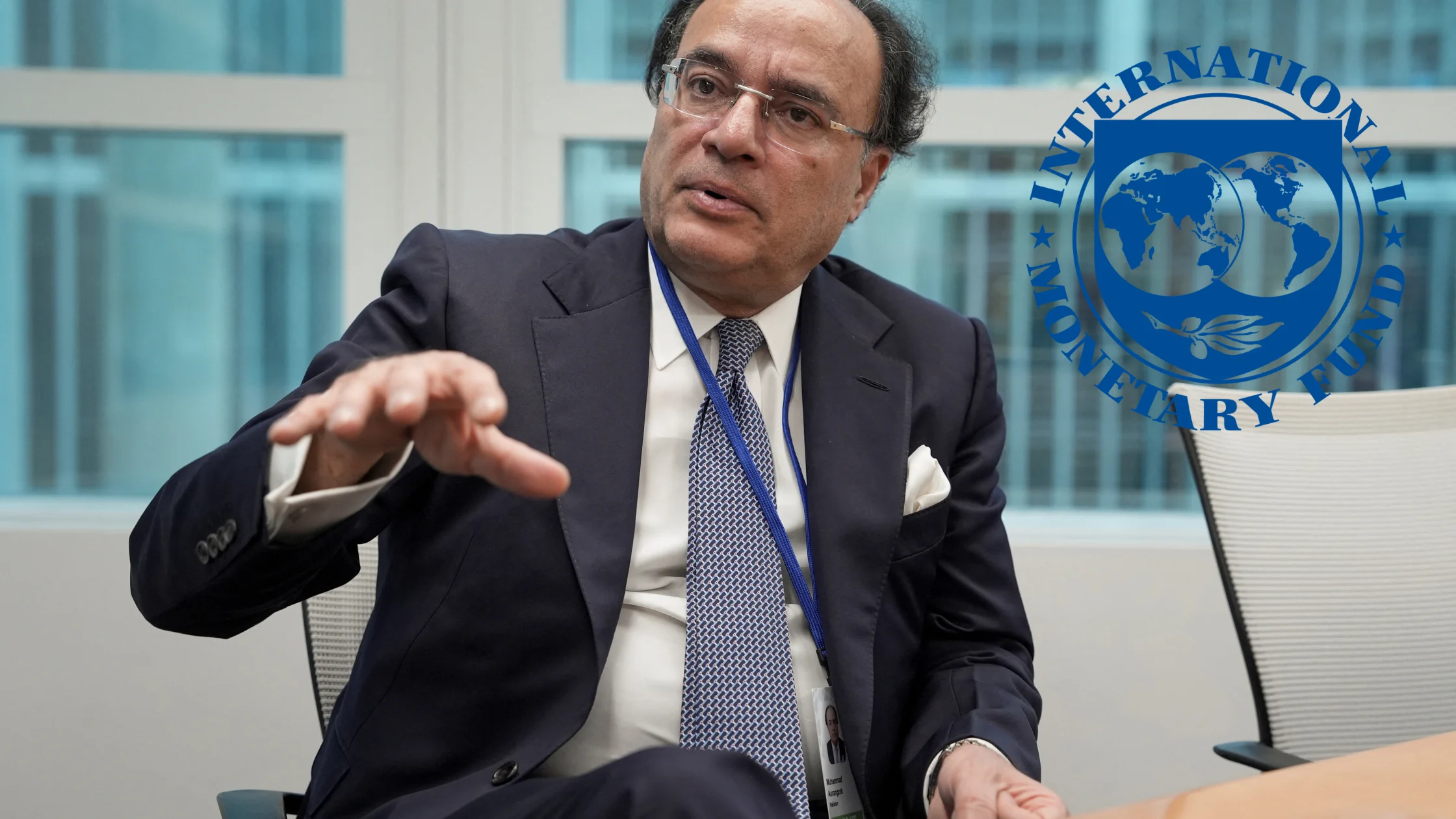
The Government of Pakistan is showing clear resistance to several key proposals made by the International Monetary Fund (IMF) as discussions continue for the upcoming fiscal year 2026–27 budget. One of the main concerns is the IMF’s suggested Rs. 15.6 trillion tax collection target, which officials believe may be difficult to achieve under current economic conditions.
During recent talks, the IMF also recommended removing sales tax exemptions on fuel and newly constructed homes to increase revenue. However, Pakistani authorities are hesitant, especially regarding fuel taxes. The reason is simple—sales tax revenue is shared with provinces, while the existing petroleum levy goes directly to the federal government. With petrol already carrying a levy of around Rs. 106 per litre, any further changes could increase public pressure.
Another proposal includes generating at least Rs. 400 billion in additional revenue to raise the tax-to-GDP ratio to about 11.3%. But local tax officials estimate that collections may only reach 10.7%, showing a clear gap between expectations and reality. This difference highlights the challenge Pakistan faces in balancing economic growth with strict financial targets.
IMF Chief Praises Prime Minister Shehbaz Sharif for Delivering on Reforms
The IMF has also suggested imposing an 18% sales tax on existing rooftop solar users, which has sparked concerns. Previously, Prime Minister Shehbaz Sharif had decided to keep such users exempt after strong public reaction. Reintroducing this idea could again lead to criticism, especially from people who invested in solar energy to reduce electricity costs.
Another debated idea is the introduction of an asset-based tax on small and medium businesses, including traders. However, the Federal Board of Revenue (FBR) has raised concerns, stating it currently lacks the capacity to properly assess and manage such a system.
While Pakistan has reached a staff-level agreement with the IMF, final approval still depends on how these issues are resolved. The next round of talks, expected in May, will be crucial in shaping the country’s economic direction and determining how much of the IMF’s recommendations are ultimately accepted.