
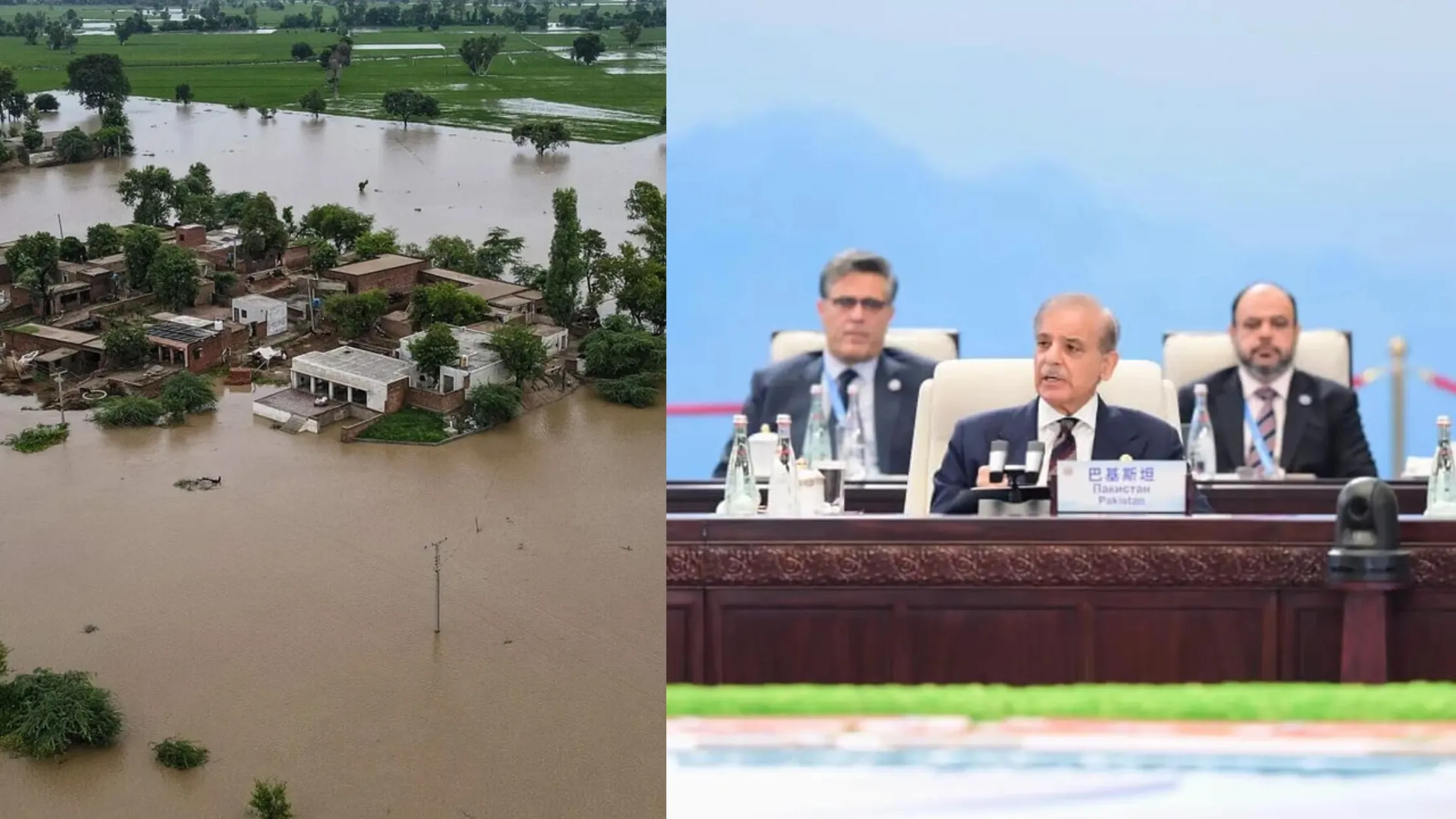
Prime Minister Shehbaz Sharif has voiced strong concern after reports suggested that India is considering weaponizing water resources shared with Pakistan. He warned that such a move would not only violate international law but also pose a serious threat to regional peace and stability.
Water is the lifeline of millions of people across South Asia. Rivers that flow from India into Pakistan are essential for drinking water, agriculture, and hydropower generation. Analysts fear that restricting or diverting these waters could trigger food shortages, damage crops, and put additional stress on already vulnerable communities.
Patoki Assistant Commissioner Furqan Muhammad Khan Passes Away During Flood Duty
Experts also highlight that turning water into a tool of conflict could create a dangerous global precedent. If countries start using essential resources as weapons, it would undermine cooperation and push regions into deeper crises. Instead, they argue that water should be a source of collaboration and mutual benefit.
Critics are urging both countries to strengthen their diplomatic dialogue and fully respect existing water-sharing agreements. They stress the need for transparency, fair management, and trust-building measures to ensure that shared rivers remain a resource for peace rather than conflict.
The Prime Minister’s statement has drawn attention to the importance of climate resilience and sustainable water governance. With climate change already affecting rainfall and river flows, regional cooperation is seen as vital to securing the future of food security, energy, and livelihoods in Pakistan and beyond.
FAQs
1. What concern did Prime Minister Shehbaz Sharif raise?
He warned against India reportedly planning to use water as a weapon, calling it unlawful and dangerous.
2. Why is this issue critical for Pakistan?
Because Pakistan’s agriculture, food supply, and energy production depend heavily on rivers flowing from India.
3. How could weaponizing water affect the region?
It could worsen food insecurity, create humanitarian crises, and increase regional tensions.
4. What solutions are being suggested?
Experts recommend diplomatic talks, transparent water-sharing agreements, and climate resilience planning.
5. What is the broader global risk?
Using water as a weapon could set a harmful international precedent, encouraging other countries to misuse essential resources.