
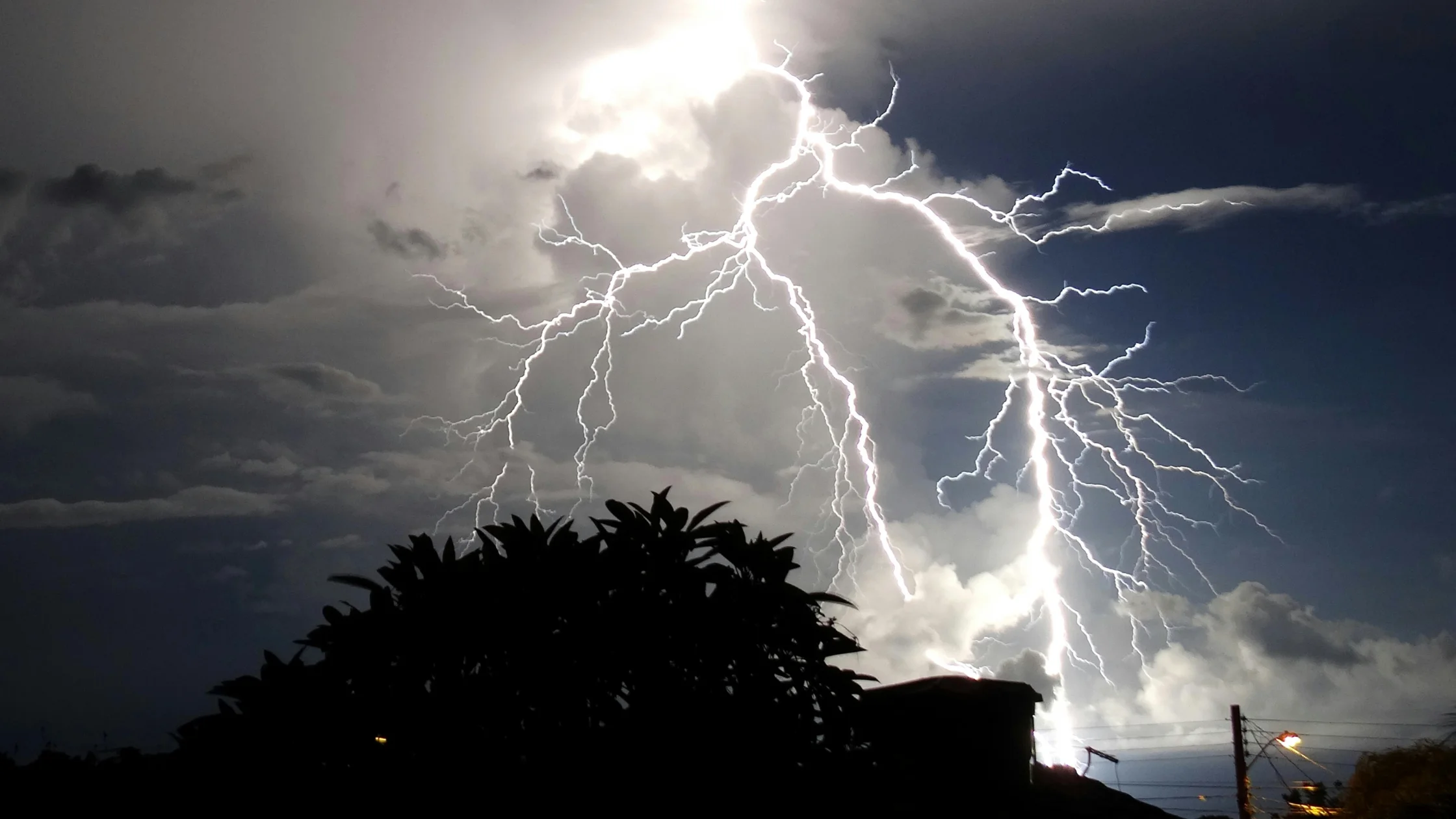
The Pakistan Meteorological Department (PMD) has forecasts a widespread spell of monsoon rain across many parts of the country from July 1 to July 6, with the possibility of heavy rainfall in several regions.
According to the Met Office, a westerly weather system is expected to enter the upper parts of Pakistan on the evening or night of June 30. At the same time, moist currents from the Arabian Sea are continuously moving into the eastern and central parts of the country, while additional moisture from the Bay of Bengal is expected to reach northern areas from July 2.
Under the influence of these weather systems, Kashmir is likely to receive scattered rain, thunderstorms, and isolated heavy downpours from July 1 to July 6. Similar weather conditions are expected across several districts of Khyber Pakhtunkhwa from July 1 to July 5, with occasional breaks between rain spells.
China and Pakistan Elevate All-Weather Strategic Partnership to New Heights
In Punjab, including Islamabad, Rawalpindi, Murree, Lahore, Gujranwala, Faisalabad, Sialkot, and surrounding areas, rain accompanied by strong winds and thunderstorms is expected between July 1 and July 6. Southern and central Punjab districts, including Multan, Bahawalpur, Dera Ghazi Khan, Khanewal, and Lodhran, are likely to receive rainfall from July 3 to July 5.
The forecast also includes rain and thunderstorms in Gilgit-Baltistan from July 1 to July 5, while northeastern Balochistan is expected to receive rainfall between July 1 and July 4. In Sindh, cities including Sukkur, Larkana, Dadu, Jacobabad, Ghotki, Khairpur, and Shaheed Benazirabad are likely to experience rain and thunderstorms on July 3 and July 4.
The PMD has advised the public, travelers, and local authorities to remain alert, as heavy rainfall may lead to urban flooding, flash floods in vulnerable areas, landslides in hilly regions, and disruptions to road traffic. Citizens are encouraged to monitor official weather updates, avoid unnecessary travel during severe weather, and take appropriate precautions to ensure their safety throughout the upcoming monsoon spell.