


Flying is a marvel of modern engineering—but with that marvel comes responsibility. As passengers, our confidence soars when we know our prioritizes safest airline above all. In this guide, we’ll dig deeper than general rankings exploring real-world audits, cutting-edge tech, crew training rigor, and what that means for you in the air. So let’s dive in.
Why Safety Should Be Non-Negotiable
Understanding Risk in Modern Air Travel
Statistically, flying remains one of the safest modes of transportation. But we’re not talking numbers alone—we’re talking about choosing airlines that actively reduce risk through systems, training, and transparency.
The Psychology of Feeling Safe At 30,000 ft
Confidence starts before boarding. Airlines that demonstrate clear safety procedures, visible preparedness, and crew calmness help passengers relax, sleep better, and actually enjoy the journey.
Criteria That Determine Ultimate Safety
Accident and Incident Analysis
We examined not just major accidents but near-miss data—how transparent airlines are in reporting issues is just as important.
Fleet Age: Why It Matters
Aircraft age correlates with newer avionics, better monitoring systems, and enhanced structural safety. We measured average fleet age as a key metric.
Pilot Selection and Ongoing Training
Some airlines require thousands of flight hours even before hiring. Then, they enforce regular simulator sessions that include extreme weather, system failures, and emergency landings.
Safety Technology and Onboard Systems
AI diagnostics, predictive engine maintenance, advanced autopilot these aren’t luxuries. They’re lifelines.
International Audits, Regulatory Compliance & Certifications
IOSA, IATA, FAA, EASA—these certifications carry real weight. Airlines audited annually and sharing findings rank higher.
Data Transparency and Safety Reporting
We ranked higher those that regularly publish safety metrics and incident finding trust is built with open information.
Our Deep Dive: Top 5 Safest Full-Service Airlines
1. Air New Zealand
Safety Innovations & AI Systems: They u

se AI-based engine analysis, predictive failure alerts, and cabin sensors that detect pressure anomalies before they escalate.
Maintenance Routines & Safety Culture: Weekly inspections go deeper than standard checks, and every tech signs off responsibly.
Pilot & Crew Training Pipelines: Pilots train in full-motion simulators monthly. Crew survival drills include live water evacuation practice.
2. Qantas
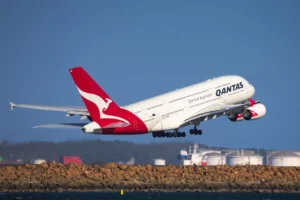
The Story Behind a Pristine Safety Record: No fatal jet accident in its jet age history—Qantas’s legacy is unmatched.
Fleet Upgrades & Gov’t Partnerships: Partnering with Airbus and Boeing, Qantas gets the latest safety upgrades within months of release.
Safety Governance & Risk Management: Their Safety Management System (SMS) uses data-driven risk predictio flagging potential issues based on flight logs.
3. Cathay Pacific
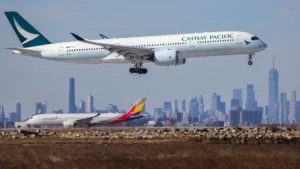
Big Investment in Pilot Readiness: Trainee pilots go through multi-lingual scenario training, cross-crew resource management, and rotation across global hubs.
Audit Scores & International Recognition: Consistently tops IASA scores. Their last audit showed zero non-conformities.
Culture of Alertness: Training & Drills: Crew have quarterly refresher sessions; ground staff join to simulate runway emergencies.
Top 10 Housing Societies in Lahore for Future Investment
4. Qatar Airways

Next-Gen Fleet & Embedded Tech: The fleet’s tech stack includes real-time turbulence detectors and auto-diagnostic systems linked to HQ in Doha.
Oversight by Global Audit Bodies: Their last IOSA audit was completed with commendations no corrective actions noted.
Operational Excellence and Standards: Dispatch decisions (e.g., go/no-go for weather) follow strict cross-check protocols never pilot-only calls.
5. Emirates

Fleet Age & Wide-Body Dominance: With a 5.2-year average fleet age, Emirates invests heavily in A380 and 777 retrofits with new avionics.
Staff Training Academies & Simulators: Emirates Aviation College offers over 50,000 training hours annually. Cabin crew train for de-boarding, fire, medical emergencies.
Emergency Preparedness & Crew Wellness: Pilots and cabin crew get mental health support and stress management training critical for safety under pressure.
Comparative Insights: What Sets Them Apart
- Tech vs Tradition: Air NZ and Qatar rely heavily on AI and predictive analytics. Qantas and Cathay focus on human factors: training and systems synergy.
- Fleet Age: Emirates leads with its youngest wide-body fleet, followed by Qatar.
- Pilot Training: Cathay and Emirates log the highest simulator hours per pilot yearly.
- Audit Scores: All five have spotless audit records this isn’t a given it’s earned.
How to Choose the Safest Airline That Suits You
Research Tactics for Safety
Checklist:
- IOSA compliant?
- Avg aircraft age?
- Data on incidents and audits?
Questions to Ask Before Booking
- “Do you publicly share safety audit results?”
- “How old is the aircraft flying this route?”
- “How many hours of simulator training do pilots receive annually?”
Balancing Safety, Price & Convenience
You don’t need to overpay for safety. Watch deals around shoulder seasons book early. Safety doesn’t mean paying first class.
What’s Next in Aviation Safety
Automation, AI & Predictive Analytics
Expect real-time maintenance triggers, AI copilots, and augmented reality checklists for crew—to reduce human error.
Sustainability’s Role in Making Planes Safer
Cleaner engines burn more efficiently, creating less wear. Plus, electric taxi systems minimize ground accidents.
Long-Term Safety Culture Shifts
Increased mental health support, transparent passenger safety communication, anti-harassment training—all adding new layers to safety culture.
Conclusion
In 2025, “safe” isn’t optional—it’s essential. The airlines above go beyond standard measures. Through deep training, tech-heavy fleets, transparent data, and zero accident histories, they set the bar. And now, you’re empowered to choose confidently. Whether Air New Zealand’s AI edge, Qantas’s legendary record, Cathay’s crew rigor, Qatar’s tech fleet, or Emirates’ operational excellence you’ve got the sky’s best.
FAQs About the Safest Airlines in 2025
Which airline is technically the safest airline this year?
Qantas retains the title of safest airline, thanks to its zero jet-age fatalities and industry-leading safety protocols.
What makes Air New Zealand a standout as a safest airline?
Their integration of AI diagnostics, frequent simulator drills, and advanced cabin tech puts them at the forefront.
Can a small carrier be just as safe as the world’s safest airlines?
Yes, if they invest in training, pass IOSA audits, and use up-to-date aircraft but scale and frequency can affect support and systems.
How do audit programs like IATA and IOSA make airlines safer?
They subject airlines to standardized global checks from documentation to emergency drills making compliance mandatory and transparent.
Does ticket class affect which safest airline you choose?
Not at all safety measures apply equal to Economy, Business, or First Class. What matters: your airline’s overall safety culture and systems, not seat location.