
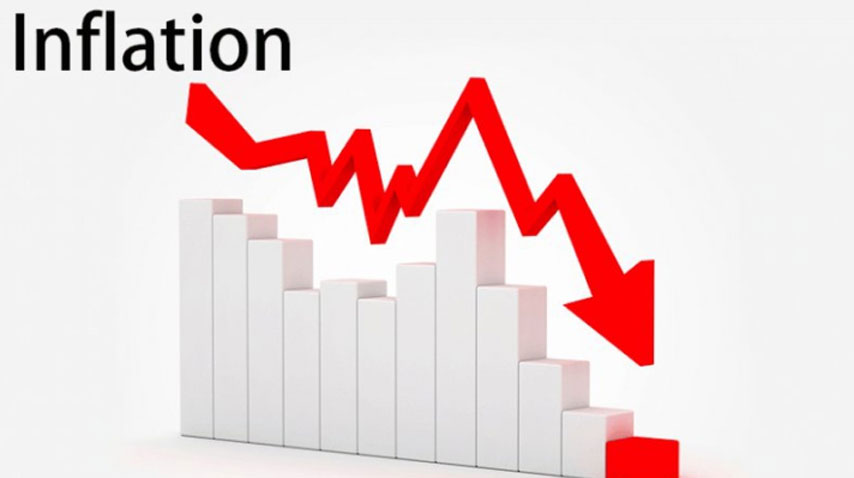
Islamabad: Pakistan’s inflation rate has reached its lowest point in six and a half years, dropping to 4.9% in November 2024, according to the latest economic data. This sharp decline marks a major milestone in the country’s economic recovery and reflects the impact of concerted policy efforts to stabilize prices and manage inflationary pressures.
The inflation hits 6.5-year low, it is particularly significant compared to the soaring rates witnessed over the past two years, when the country grappled with economic challenges stemming from global disruptions, supply chain issues, and domestic fiscal imbalances. In the first five months of the current fiscal year, the average inflation rate has plummeted from 28.62% to 7.88%. This remarkable turnaround highlights the effectiveness of recent macroeconomic interventions aimed at improving fiscal discipline and reducing consumer price volatility.
Urban areas have benefited the most, with inflation stabilizing at 5.2%. Experts note that the moderation in urban inflation reflects targeted policies addressing urban-centric factors like transportation costs and housing. Meanwhile, rural areas have also seen improvements, though slightly less pronounced, as food prices continue to normalize after peaking earlier this year.
Factors Behind the Decline
Economists credit a mix of policy-level measures for driving this decline in inflation. The government and the State Bank of Pakistan (SBP) implemented several strategic steps, including tightening monetary policy to curb excessive demand, subsidizing essential goods to ease consumer burdens, and improving supply chain efficiency to address market bottlenecks.
Key contributors to the drop include a significant reduction in food and transportation costs. Global oil price stabilization, along with domestic efforts to lower fuel tariffs, has helped bring down transportation expenses, a major driver of inflation in Pakistan. Similarly, bumper crops and better management of agricultural produce have eased food price pressures, traditionally a volatile component of the inflation basket.
The broader economic outlook has also been buoyed by improvements in foreign exchange reserves, a narrowing current account deficit, and stronger export performance. Collectively, these factors have reduced pressure on the rupee, further aiding price stability.
Impact on Consumers and the Economy
For consumers, the consistent drop in inflation offers much-needed relief after months of financial strain. Lower prices for everyday essentials, such as groceries and transport, have improved purchasing power, particularly for low- and middle-income households. This newfound stability could encourage higher consumer spending, contributing to economic growth in the months ahead.
The business community has also welcomed the inflation slowdown, noting that predictable price trends can foster a better investment climate. Reduced inflationary pressures mean businesses can plan operations more effectively without the fear of sudden cost surges.
Challenges Ahead
Despite the promising figures, experts urge caution, noting that inflationary risks remain. Factors such as fluctuating global commodity prices, regional instability, and potential climate-related disruptions could challenge sustained progress. Policymakers will need to remain vigilant, ensuring that inflation continues to align with economic growth objectives.
“The current trends are encouraging, but maintaining this momentum requires a balance between fiscal discipline and growth-focused strategies,” said a senior economist.
The State Bank of Pakistan is expected to closely monitor developments, adjusting its monetary policies as needed to ensure continued economic stability. Similarly, the government is likely to introduce further structural reforms to address underlying vulnerabilities, such as tax collection inefficiencies and energy sector challenges.
A Historic Milestone
This historic decline in inflation represents not just an economic milestone but also a psychological boost for the nation, signaling that Pakistan may finally be turning a corner after years of financial turbulence. While challenges remain, the recent progress provides a foundation for a more resilient and stable economic future.
With inflation at a 6.5-year low, Pakistan’s economy appears to be on a path to recovery, offering hope for consumers, businesses, and investors alike. As the country continues to navigate complex economic realities, the focus will remain on sustaining this positive trajectory and addressing the structural challenges that lie ahead.