
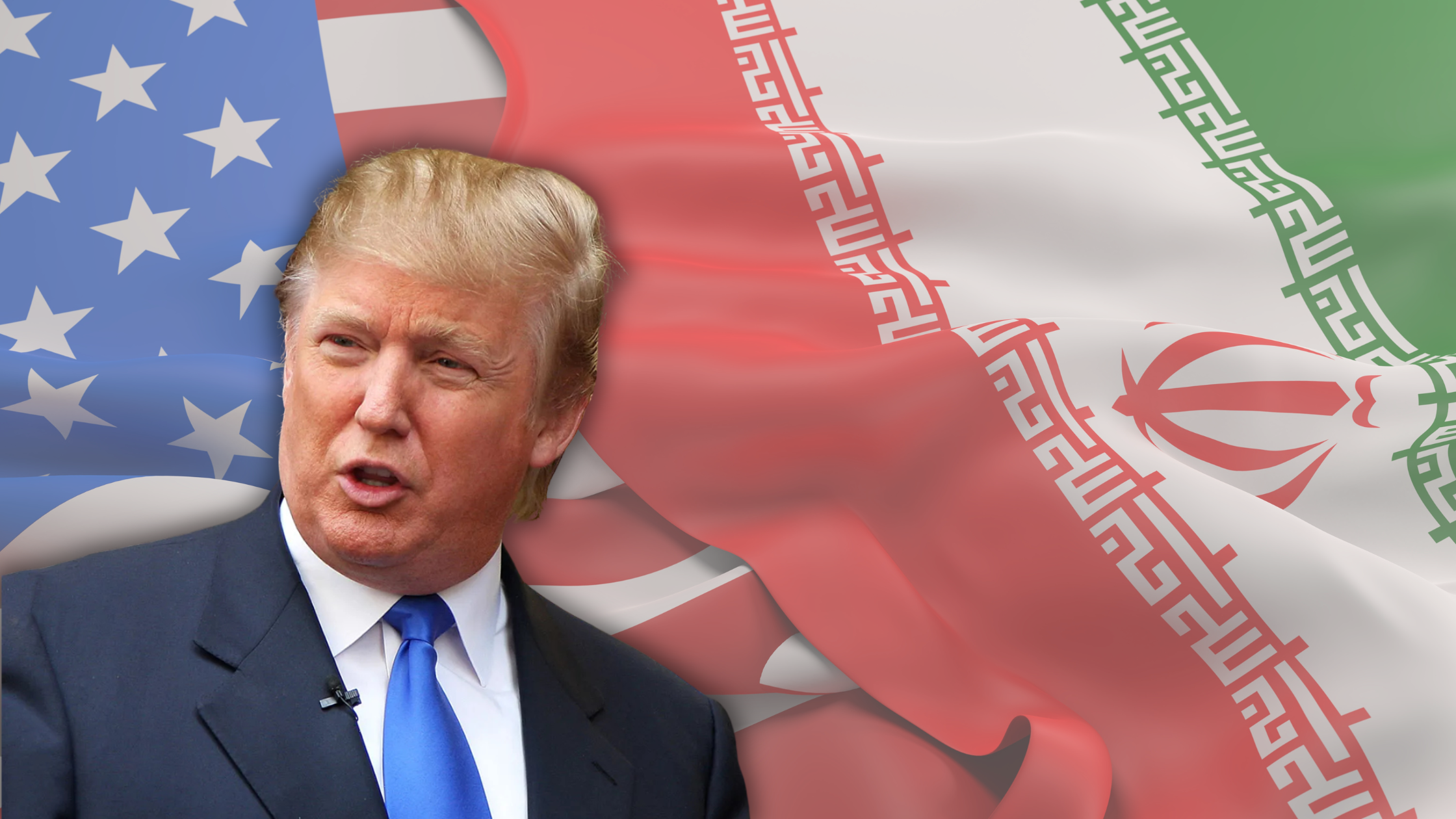
Global oil markets reacted swiftly to former US President Donald Trump’s recent annoucement at potentially reviving nuclear talks with Iran, with prices plunging more than 2% in early trading. Brent crude fell to $64 per barrel in London while WTI dipped to $62, marking the sharpest single-day decline in three weeks. The price movement reflects market anticipation of increased Iranian oil supply should sanctions ease, potentially adding 1 million barrels per day to global markets.
This development comes amid already volatile energy markets, where prices had been climbing due to Middle East tensions and OPEC+ production cuts. Natural gas prices also saw modest declines, trading at $3.45 per MMBtu as traders weighed the potential geopolitical shift. Analysts note that while Trump’s comments aren’t an official policy shift, they’ve created enough uncertainty to trigger sell-offs among speculators.
Donald Trump Historic Riyadh Visit: Deals, Diplomacy, and a Shift in Middle East Policy
The market reaction underscores how sensitive global energy prices remain to US-Iran relations. With Iran holding the world’s fourth-largest oil reserves, even the possibility of renewed diplomacy can sway markets. However, energy experts caution that actual sanction relief would require complex negotiations and likely face political opposition in Washington, meaning this price drop may represent short-term market speculation rather than lasting change.
FAQs
Q: How much could Iranian oil increase global supply?
A: Iran could add 1-1.5 million barrels/day if sanctions fully lift.
Q: Why did gas prices also fall?
A: Traders anticipate reduced oil prices may lower energy costs across sectors.
Q: Is this a formal policy change?
A: No, just Trump’s comments – but markets react to potential shifts.
Q: How long might prices stay low?
A: Depending on actual negotiations, possibly weeks unless concrete deals emerge.