
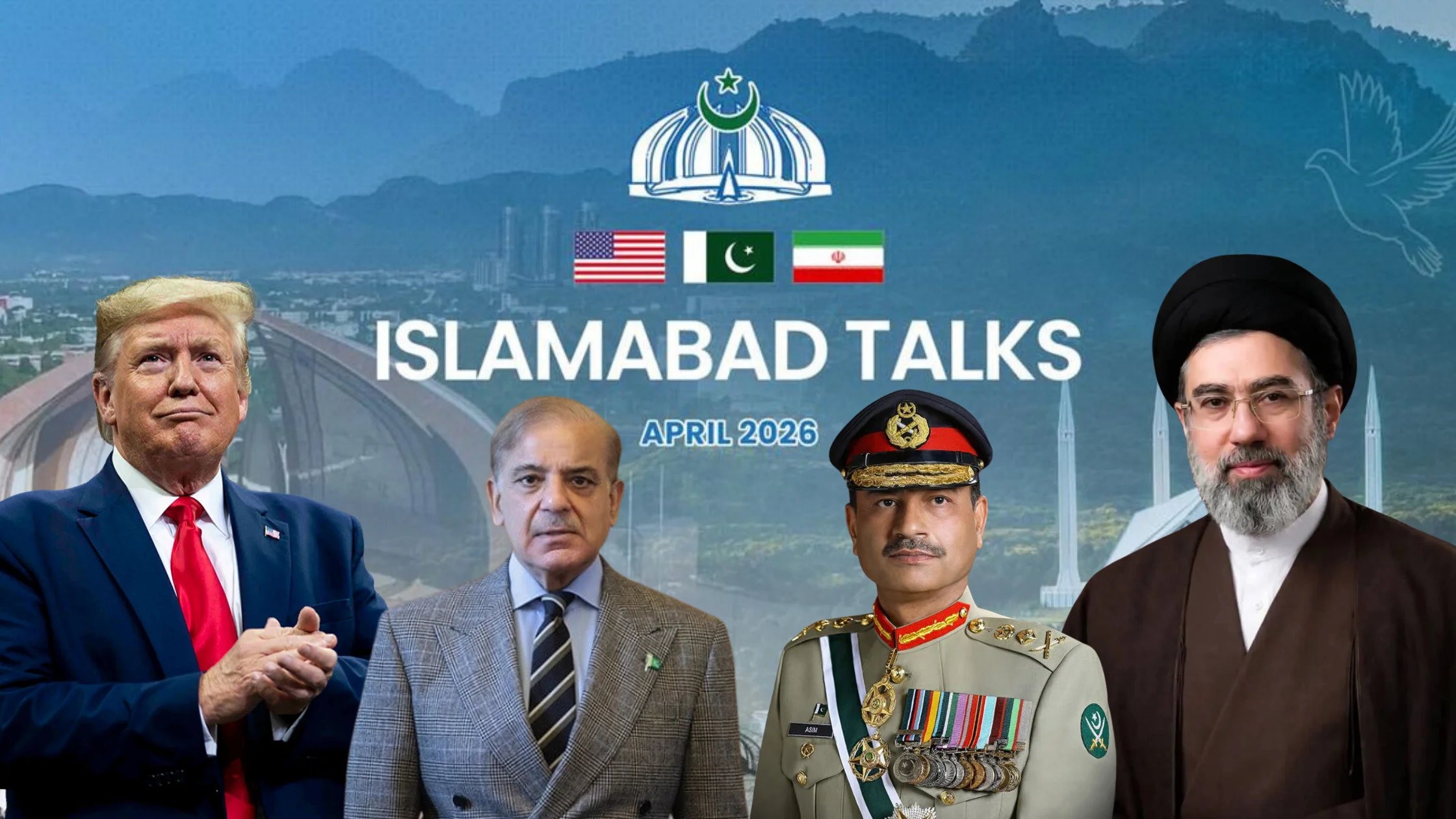
Hopes are rising for a major diplomatic breakthrough between the United States and Iran, as Pakistan steps forward to play a crucial mediating role in one of the most sensitive geopolitical conflicts in recent years. According to multiple reports and regional sources, progress is being made on negotiations related to Iran’s nuclear programme, a long-standing issue that has fueled tensions, conflict, and economic instability across the Middle East.
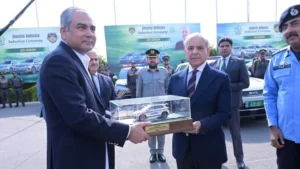
At the center of this diplomatic push is Asim Munir, who recently led a high-level Pakistani delegation to Tehran. His visit is seen as part of an intense “shuttle diplomacy” effort, where Pakistan is acting as a communication bridge between Washington and Tehran. During the visit, he met with Abbas Araghchi, who welcomed Pakistan’s role and expressed appreciation for its efforts in facilitating dialogue.
Pakistan’s Growing Role as a Diplomatic Bridge
Pakistan’s involvement in the talks signals a shift in regional diplomacy. Instead of direct negotiations, both the United States and Iran appear to be relying on Islamabad to relay messages, proposals, and compromises. This approach helps reduce direct confrontation and allows both sides to negotiate more cautiously.
The mediation efforts come at a time when tensions between the two countries have already resulted in significant loss of life and economic disruption. By stepping in, Pakistan is not only trying to prevent further escalation but also positioning itself as a key diplomatic player in global politics.
Simultaneously, Shehbaz Sharif has been engaging with regional powers, including Saudi Arabia, Qatar, and Turkiye. This coordinated strategy aims to build broader support for a potential agreement and ensure that no major regional player opposes the deal.
Key Issues Blocking the Final Agreement
Despite the optimism, several complex issues remain unresolved. The most critical disagreement revolves around Iran’s nuclear enrichment programme. The United States is pushing for a long-term halt on uranium enrichment, while Iran is negotiating for a shorter restriction period.
Experts say the debate is currently centered between a five-year freeze versus a twenty-year freeze, with both sides trying to find a middle ground. Another major issue is Iran’s stockpile of approximately 440 kilograms of highly enriched uranium, which raises concerns about potential weaponization.
There are several proposals under discussion, including sending the uranium to a third country or reducing its enrichment level to make it suitable only for civilian use. These decisions are highly sensitive and will play a crucial role in determining whether a final agreement can be reached.
Iran Warns If Its Ports Are Threatened, No Gulf Port Will Remain Safe
Second Round of US-Iran Negotiations Likely to Take Place in Islamabad on Thursday: AP
UK Praises Pakistan’s Role in US–Iran Peace Efforts During Parliamentary Discussion
Iran Calls for Compensation from Gulf States Over War-Related Damages in UN Letter
US Vice President JD Vance on Fox News Praises Pakistan PM and Army Chief for Hosting Iran Talks
Impact of War and Regional Tensions
The urgency of these talks is driven by the devastating impact of the ongoing conflict. Since late February, the war involving the United States, Israel, and Iran has resulted in the deaths of more than 3,000 people in Iran alone. The situation has also triggered retaliatory attacks across the Gulf region and reignited tensions in Lebanon.
Although a ceasefire was reached on April 8, the region remains unstable. Military activity continues in certain areas, and the risk of escalation is still present. The conflict has also had a major economic impact, particularly due to disruptions in oil supply routes.
One of the most critical flashpoints is the Strait of Hormuz, a key global shipping route for oil. Iran’s control over this area has already caused a spike in global oil prices, adding pressure on international markets. The United States has imposed a naval blockade in the region, further complicating the situation and raising concerns about trade disruptions.
Trump Signals Optimism Amid Ongoing Negotiations
Adding to the growing optimism, Donald Trump recently suggested that a resolution may be near. He hinted that the world should expect significant developments, stating that the conflict could be “very close to over.” While such statements often reflect political messaging, they have contributed to a sense of urgency and hope surrounding the negotiations.
The White House has also acknowledged Pakistan’s role, describing the ongoing discussions as “productive and ongoing.” Officials have indicated that future rounds of talks may continue in Islamabad, further solidifying Pakistan’s position as a central mediator.
Challenges and Opposition to Peace Efforts
Despite the positive signals, not everyone supports a potential agreement. Analysts point out that there are powerful groups in both Iran and the United States who remain skeptical of any compromise. Additionally, Israel has been identified as a major opponent of the deal, preferring a more aggressive approach toward Iran’s nuclear ambitions.
This opposition creates a delicate balance for negotiators. Any agreement must address security concerns while also being politically acceptable to all parties involved. Even a small miscalculation could derail the entire process.
Meanwhile, Iran has warned that it may take further action if economic and military pressures continue. Its military leadership has even suggested the possibility of disrupting trade routes beyond the Gulf, including the Red Sea, which would have serious global consequences.
A Critical Moment for Global Diplomacy
The current situation represents one of the most important diplomatic moments in recent history. A successful agreement could bring stability to a region that has faced decades of conflict. It could also reduce global economic uncertainty by stabilizing oil markets and reopening key trade routes.
Pakistan’s role in this process highlights how middle powers can influence global outcomes through strategic diplomacy. By maintaining communication channels and building trust between opposing sides, Islamabad is helping to create an environment where dialogue is possible.
Conclusion: Hope for Peace, But Uncertainty Remains
As negotiations continue, the world is watching closely. The possibility of a breakthrough in US-Iran talks offers hope for peace, but the path forward is still uncertain. Complex issues, regional tensions, and political pressures all stand in the way of a final agreement.
What is clear, however, is that diplomacy remains the most powerful tool for resolving conflict. With Pakistan actively mediating and both sides showing signs of flexibility, there is a real chance that a long-standing dispute could move toward resolution.
If successful, this effort could not only end a devastating conflict but also reshape the future of diplomacy in the region—proving that even the most difficult disputes can be addressed through dialogue, patience, and strategic cooperation.